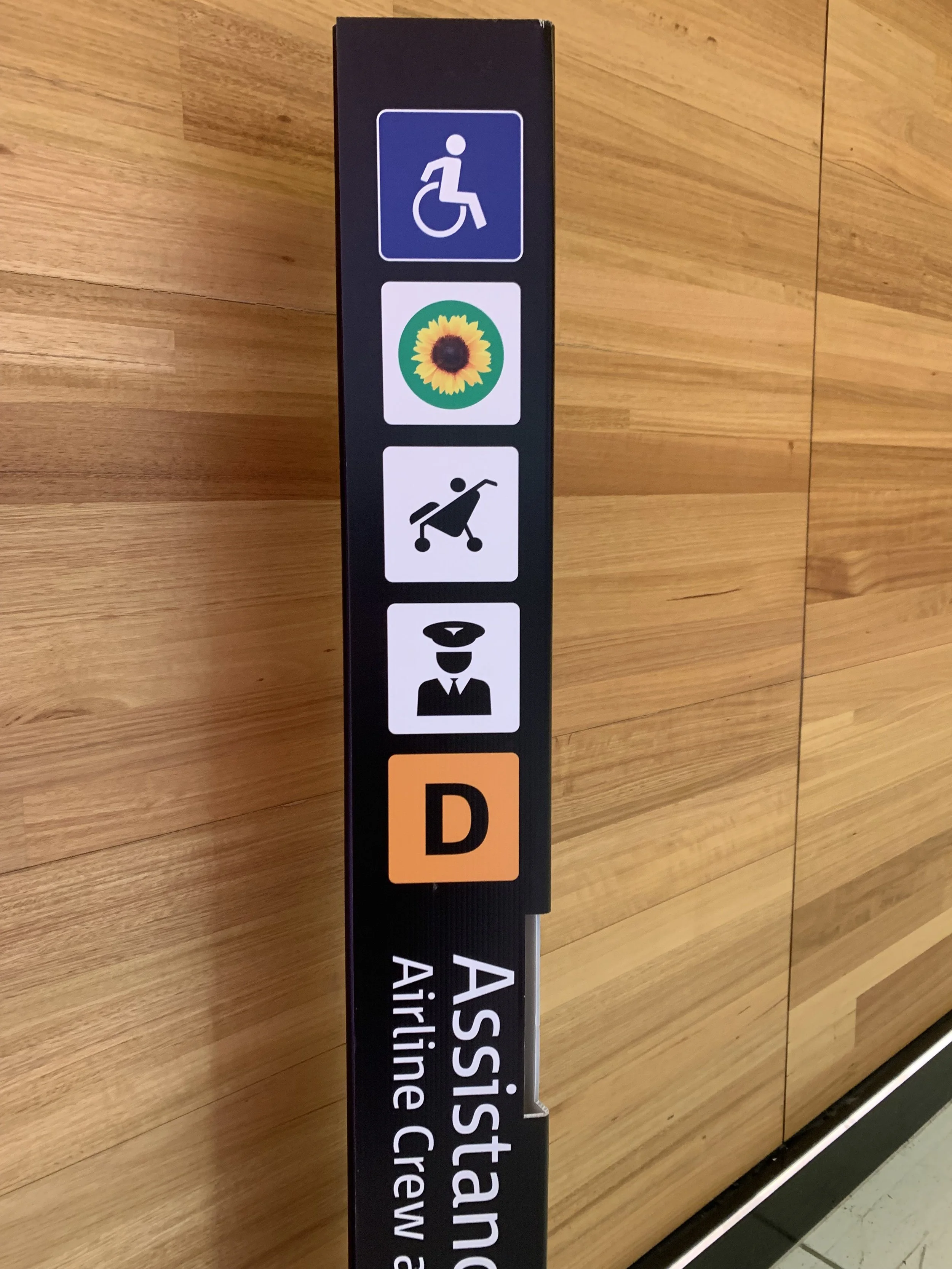
The Invisible Disability Sunflower
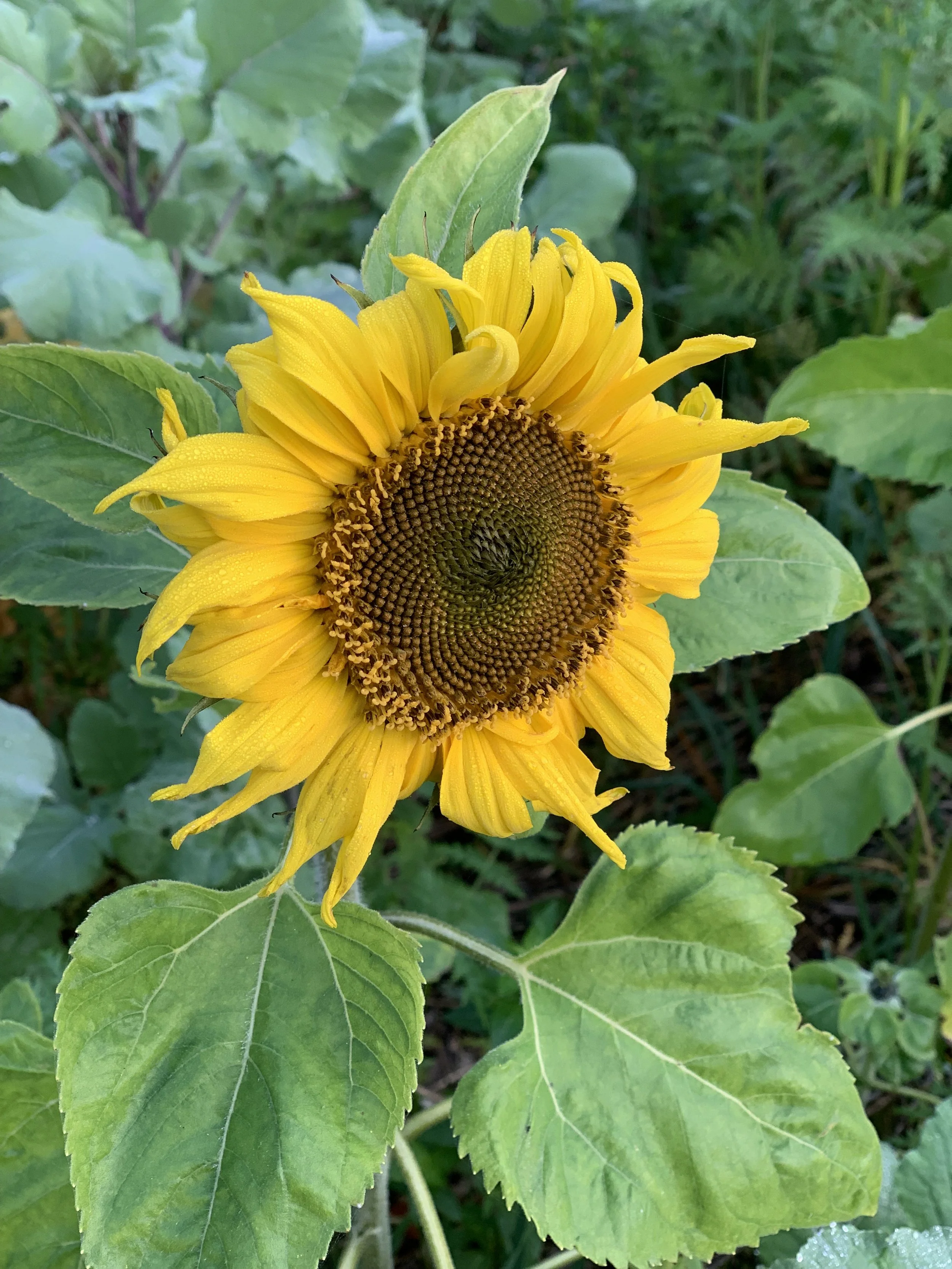
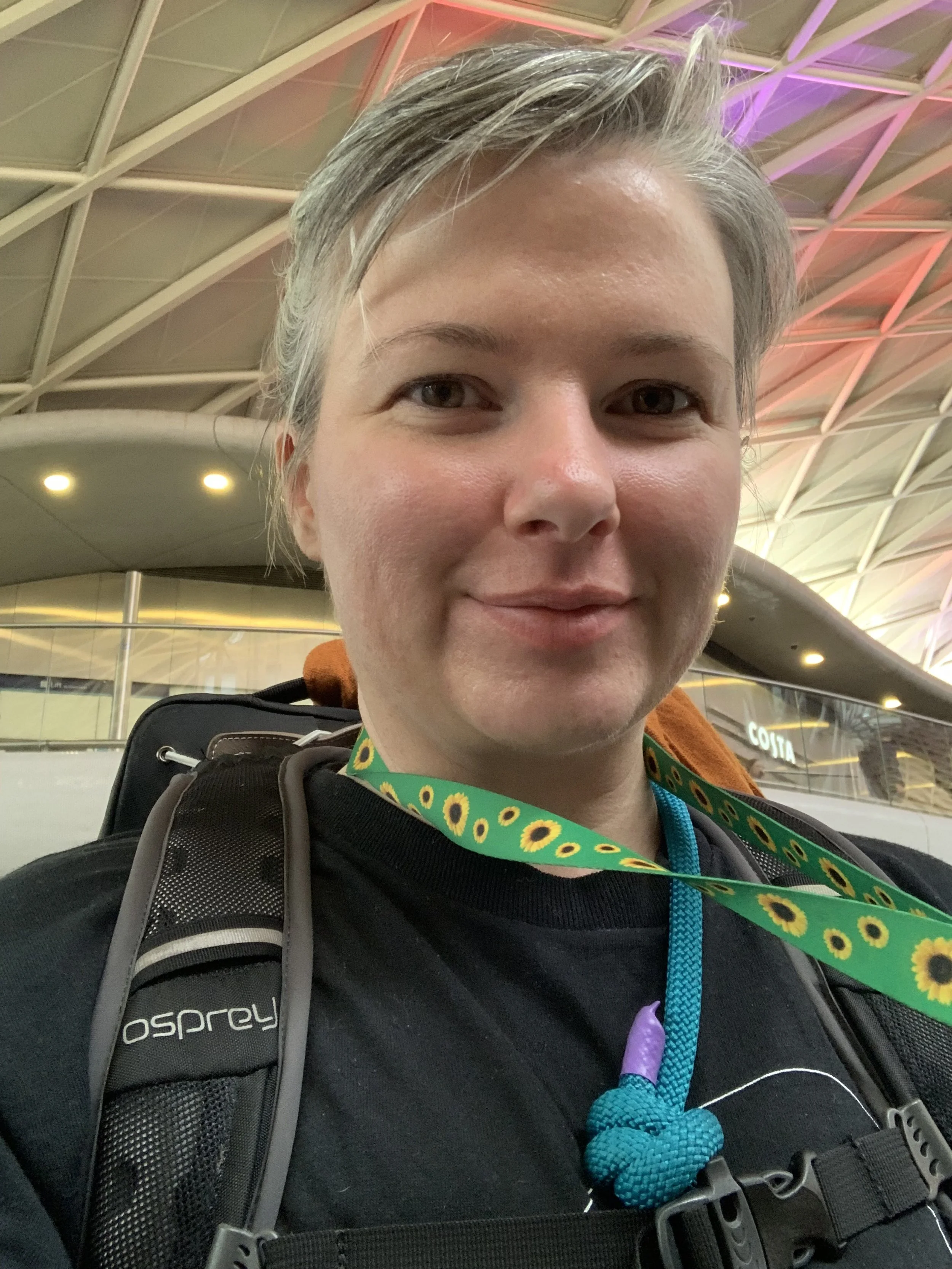
For those that don’t know, the sunflower is the international symbol for invisible disability. Personally for me, it had been almost 10 years of living with and managing an invisible disability before I even found out about it. When I did, I was elated to finally have something to signal to others in public why I needed to use disability aids at times or why I needed to ask for help, when to them I looked fine. However, within an hour of being issued with a sunflower lanyard and finally feeling some relief in public situations, I was again verbally abused by a member of the public. When all the abusive language thrown at me came to an end, I held up the lanyard around my neck and asked kindly if he knew what it meant. He starred back with a blank face. It was then I realised I still had a lot more work to do. How good is a symbol if no one knows what it means?
In talking to so many people about this, the biggest obstacle is public education and awareness. Invisible disabilities are nothing new but I feel our understanding of them and recognising them is. The international sunflower symbol is relatively new with it coming to life in London, UK in 2016 but I feel the problem is not just about how long we have known about the sunflower, it’s our visual literacy of what a disability looks like.
1 in 6 globally have a disability and of that, over 80% are invisible.
If you were like me, you grew up with the symbol for disability being someone is a wheelchair. A disability was characterised as something that was very noticeable and mainly physical. Disability parking spaces use the wheelchair symbol. Public toilets use the wheelchair symbol. Public signage anywhere uses the wheelchair symbol. So can we really blame people for being confused? The World Health Organisation estimates 1 in 6 globally have a disability and of that, over 80% are invisible, yet we still rely on the wheelchair symbol to represent disability. Although internationally recognisable, the symbol itself is not inclusive and has created a number of barriers for people in getting help.
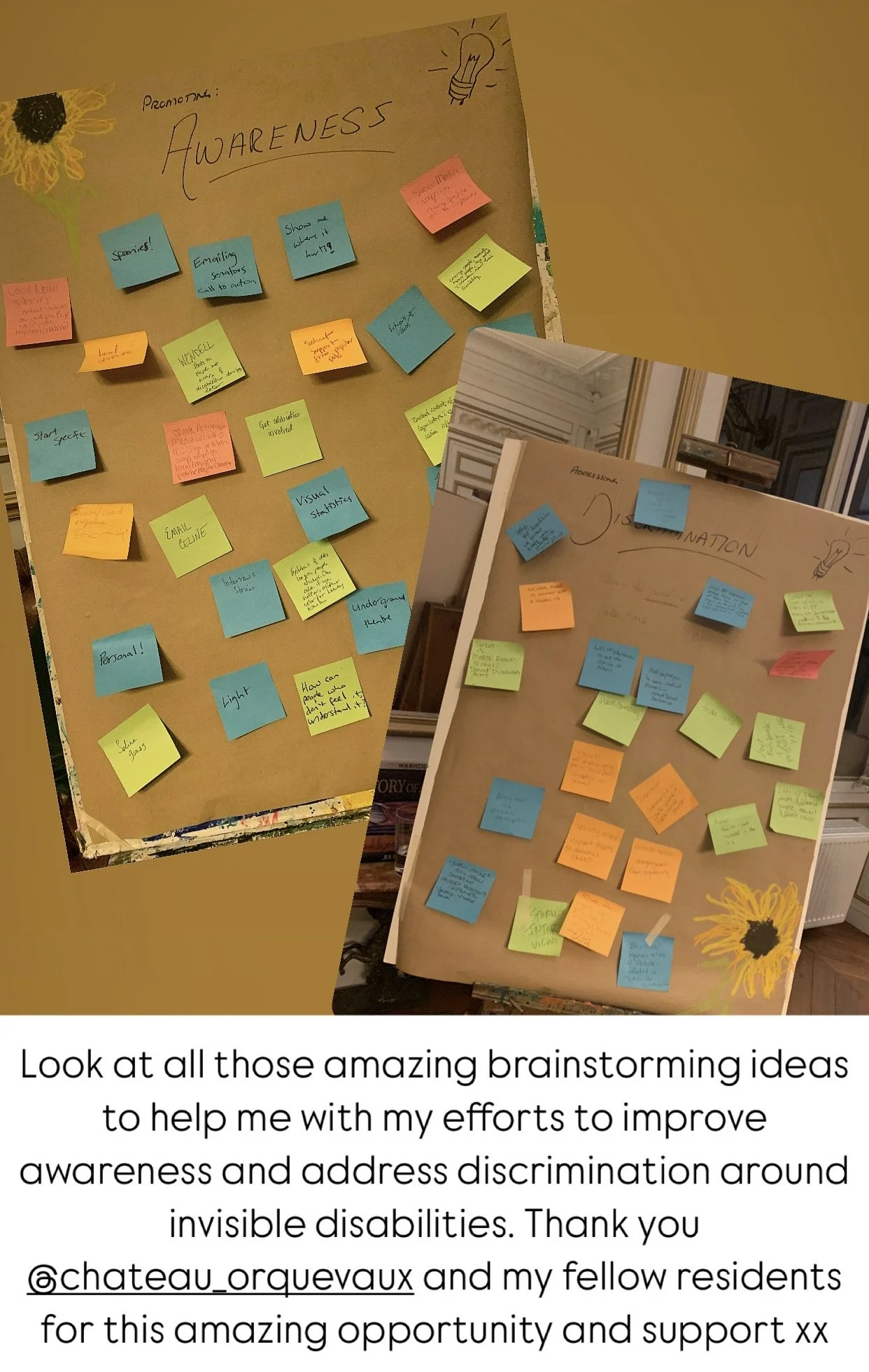
Since learning about the invisible disability sunflower in late October 2024, I have done a number of artworks and advocacy pieces that have been part of exhibitions both in Australia and abroad, shared my story with various media outlets to raise awareness, had conversations with both local and federal ministers, conducted public consultations on ways to improve access and inclusion for people in the ACT with an invisible disability and presented these findings to the ACT Government in July 2026, and now currently working on a media awareness project leading up to Invisible Disability Awareness Week (18-24 October 2026). It’s been a busy period of art and advocacy but one that has also been truly rewarding.
So what is my goal? I am working to promote kindness and public awareness so others won’t have to go through what I have and continue to do. I am also working to close gaps in public legislation that failed me based on my disability being invisible, again so no one else has to go through what I have and continue to do. The truth is, we never really know what someone else is going through but we can always choose to be kind - always.
If you would like to learn more about the invisible disability sunflower, how you can help and the various sunflower advocacy projects that I have been working on, you can find out more below.

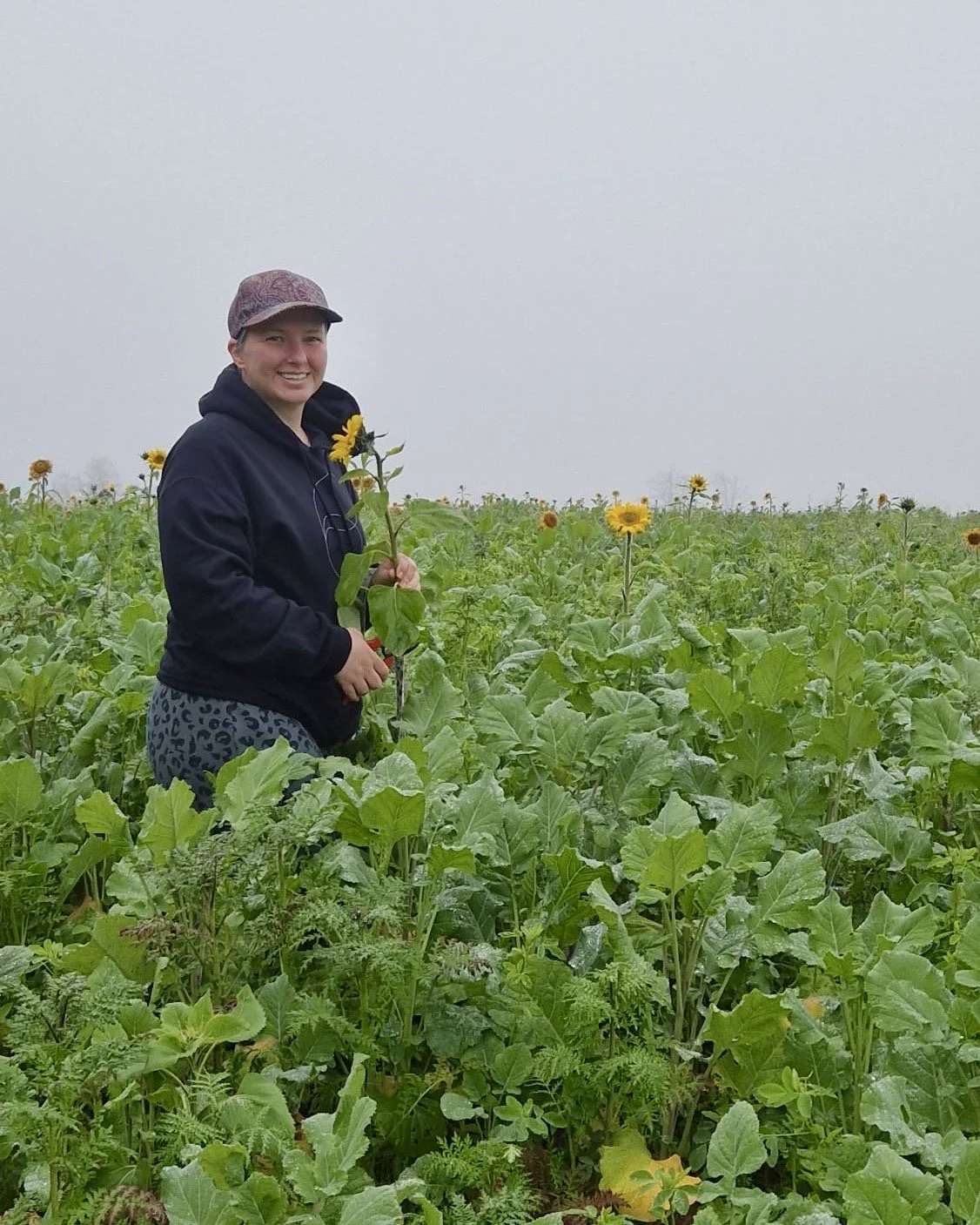
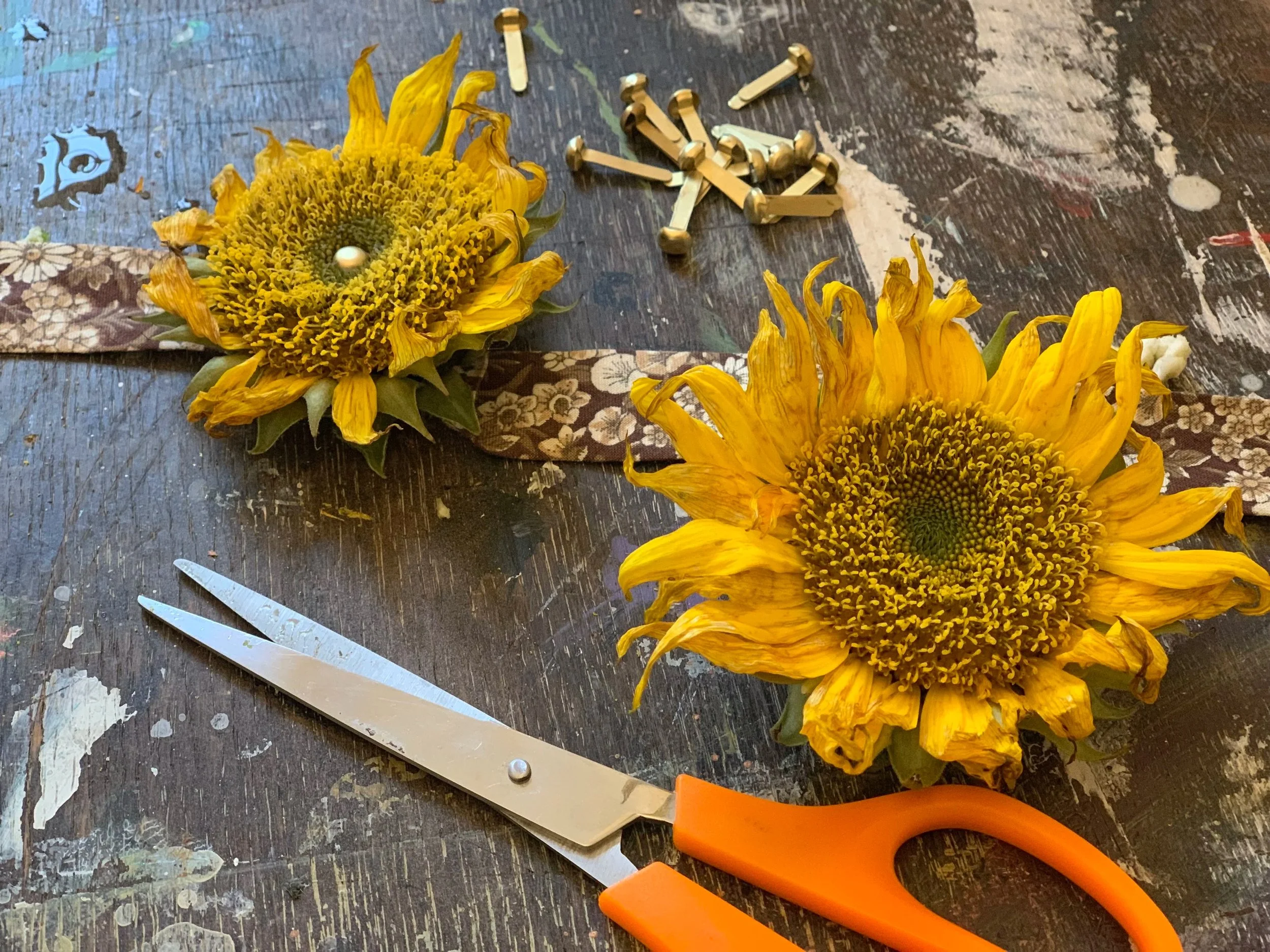
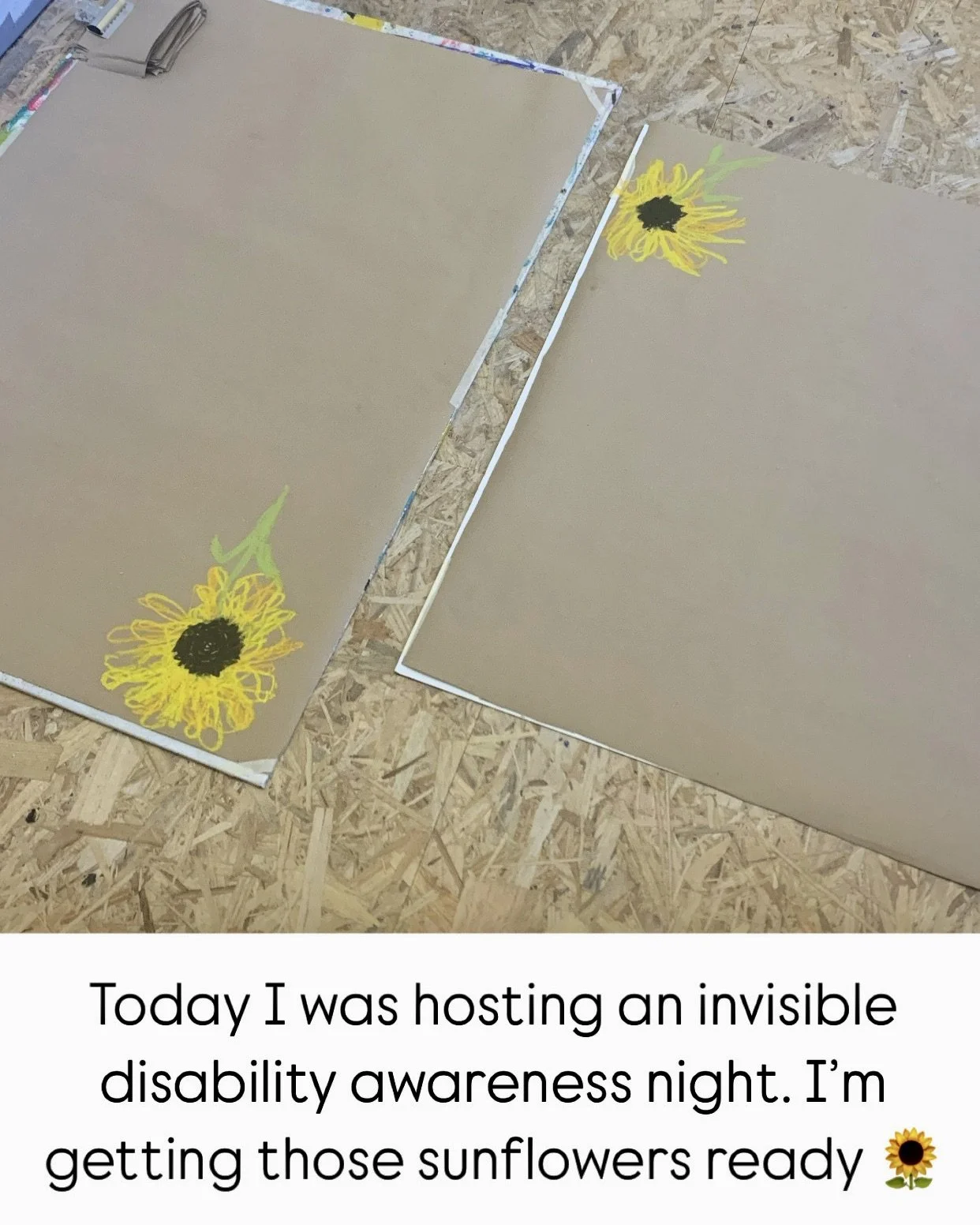
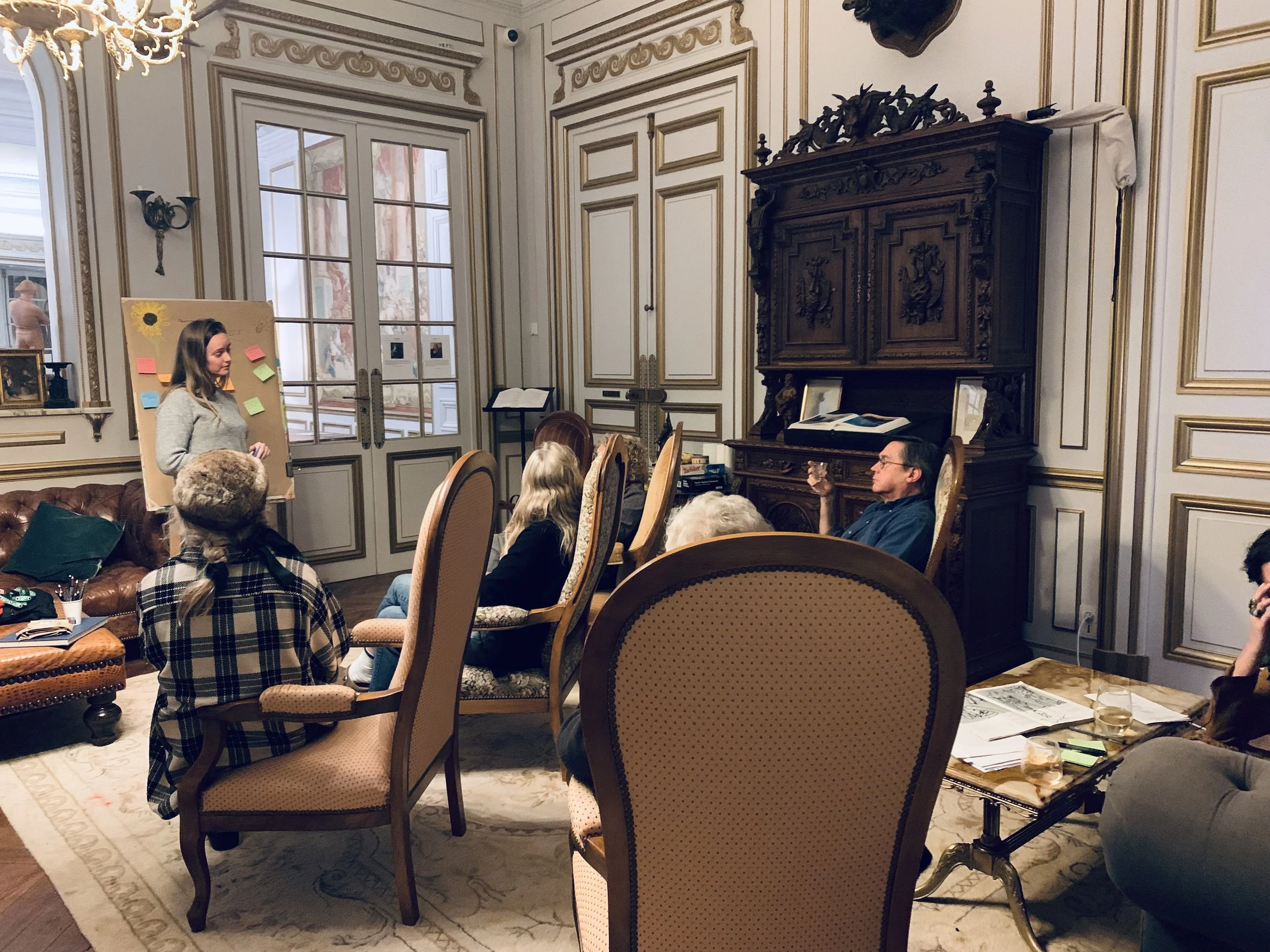
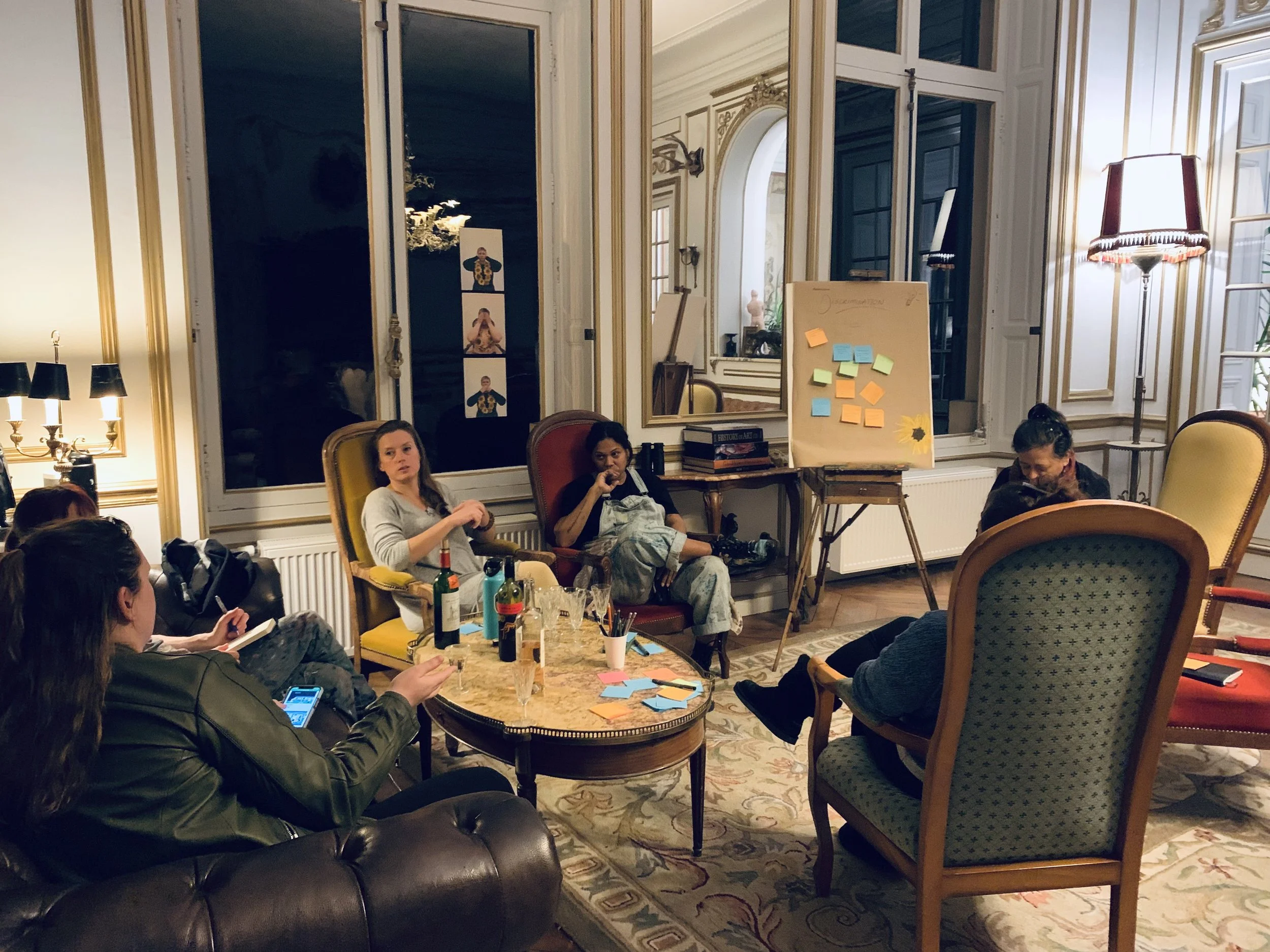
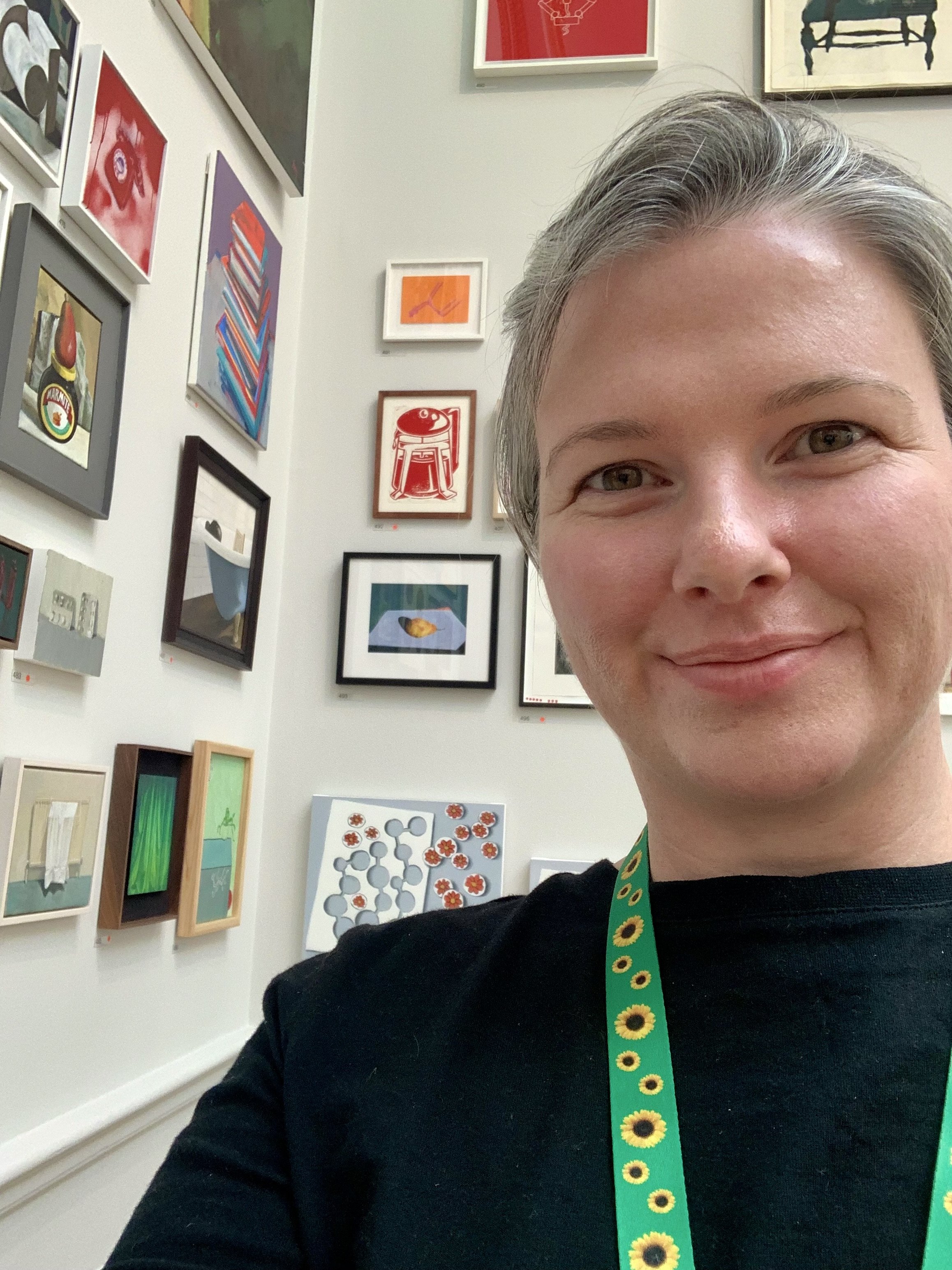
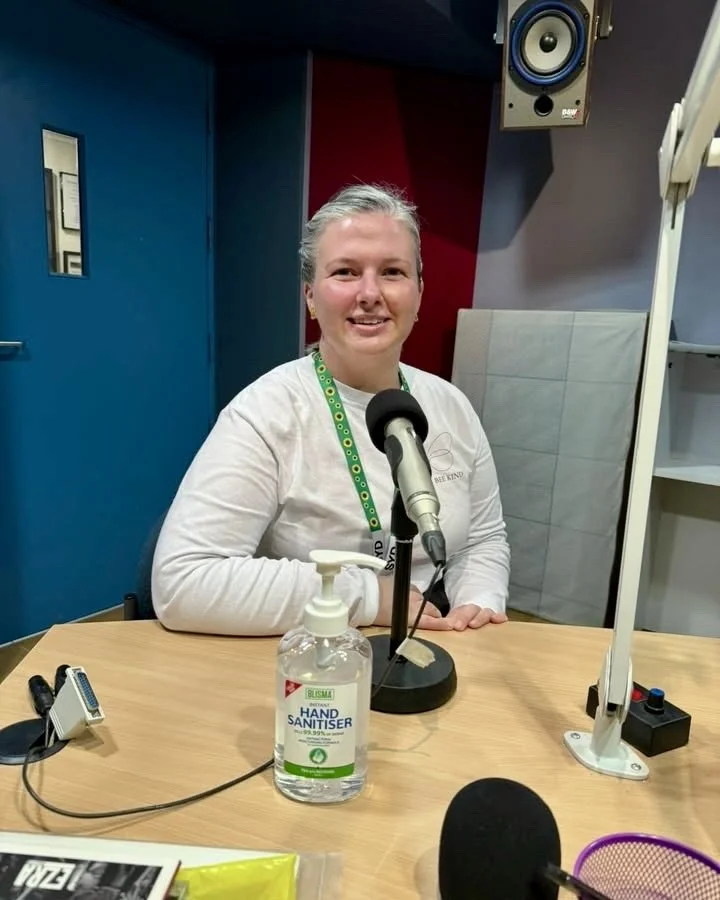
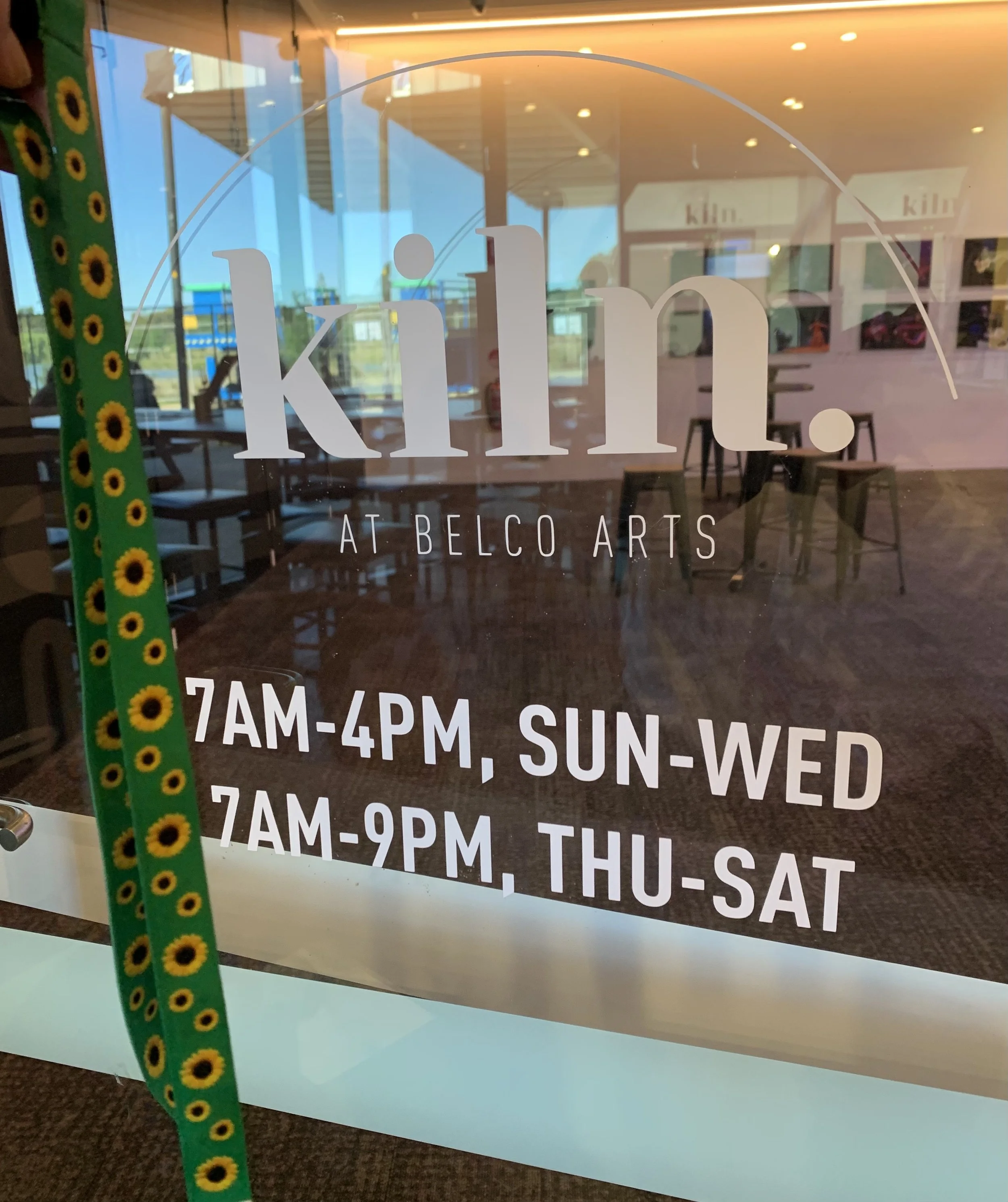
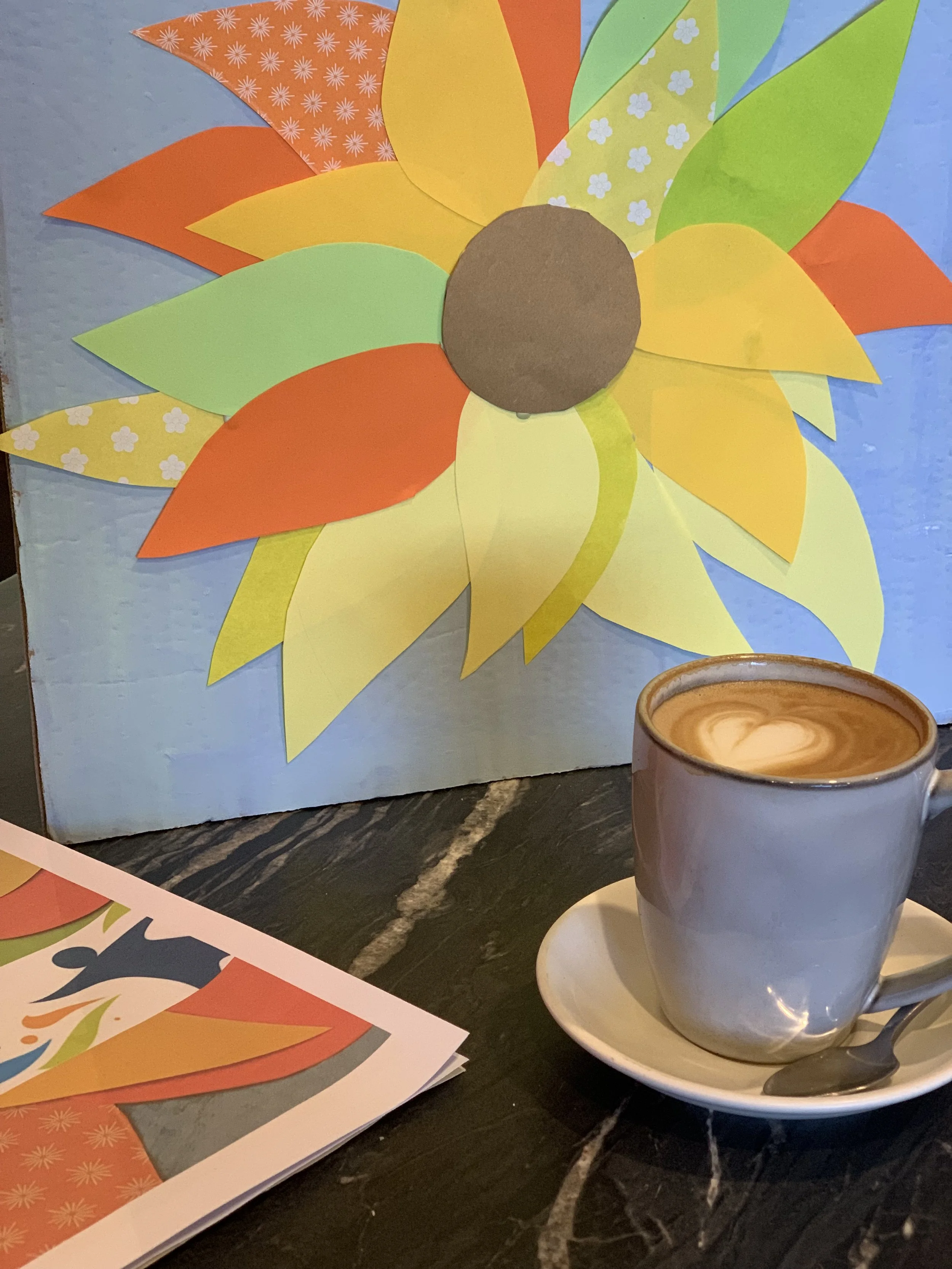
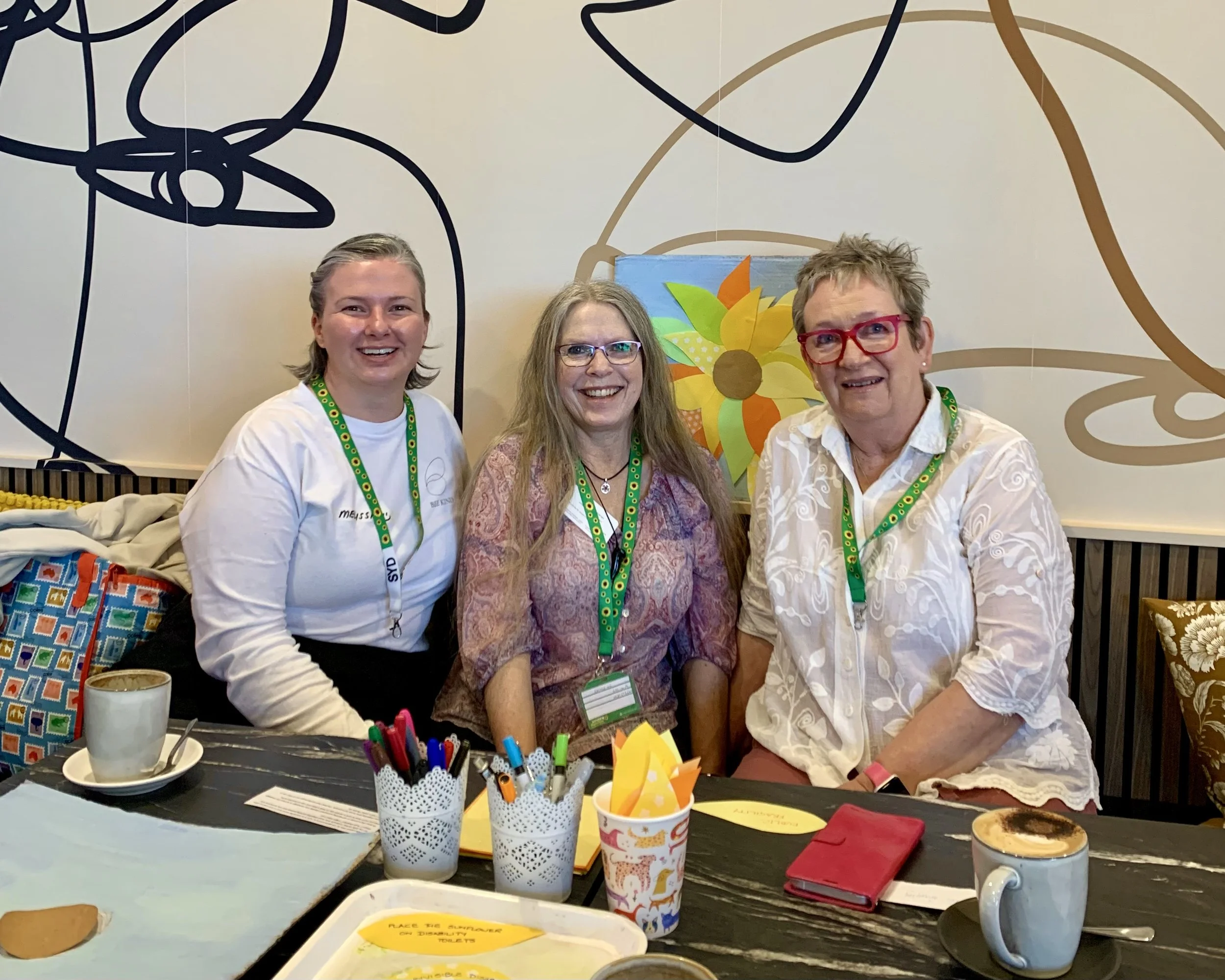
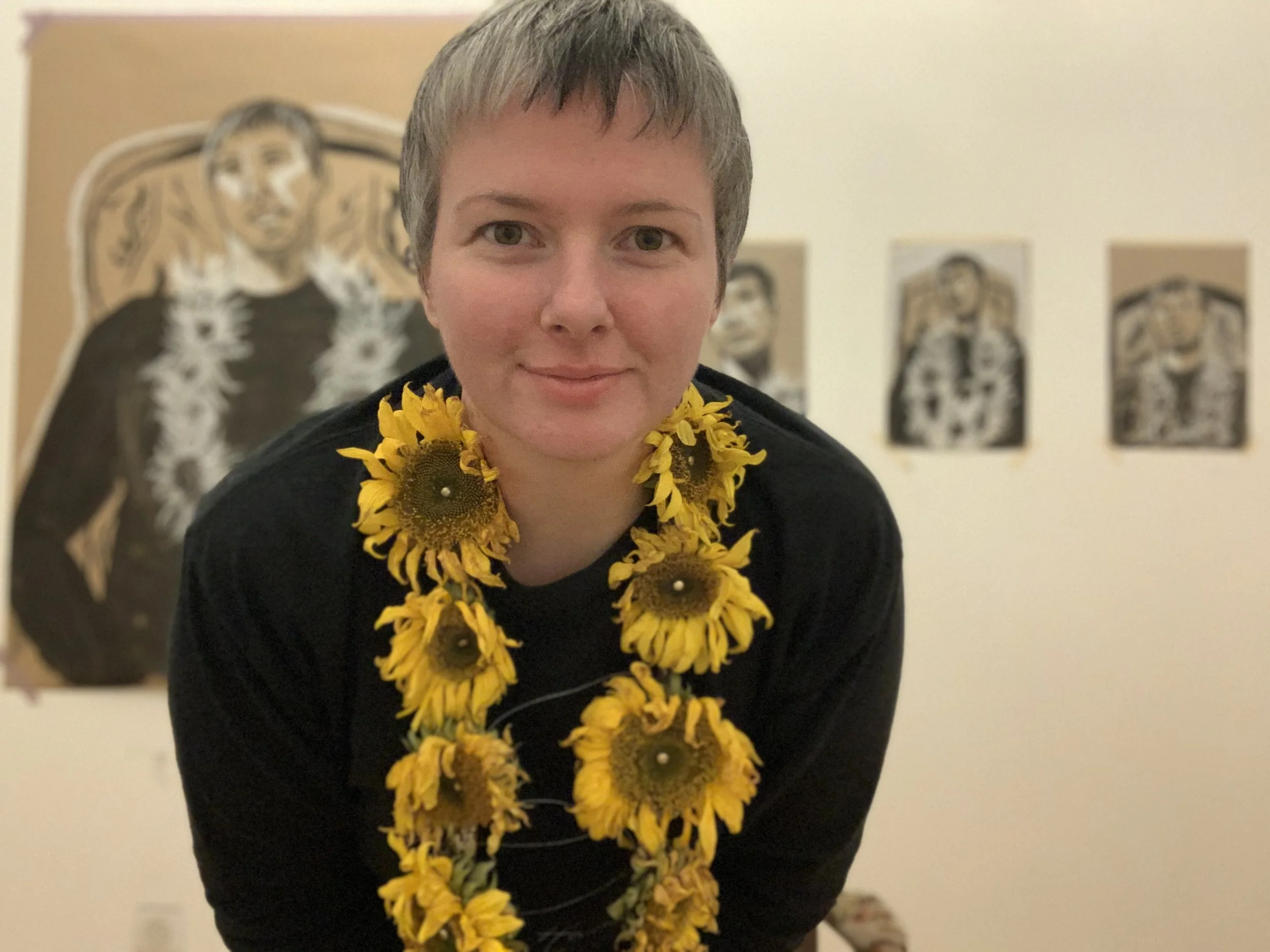
Melissa Hammond in ‘The Stand’ - University of Wollongong
“It’s life affirming when someone learns something from my art and says, ‘I didn't know about that, and I'm really interested to learn more.’ Some of my favourite moments from the last year have been creating something positive and being able to spread this message to more people.”
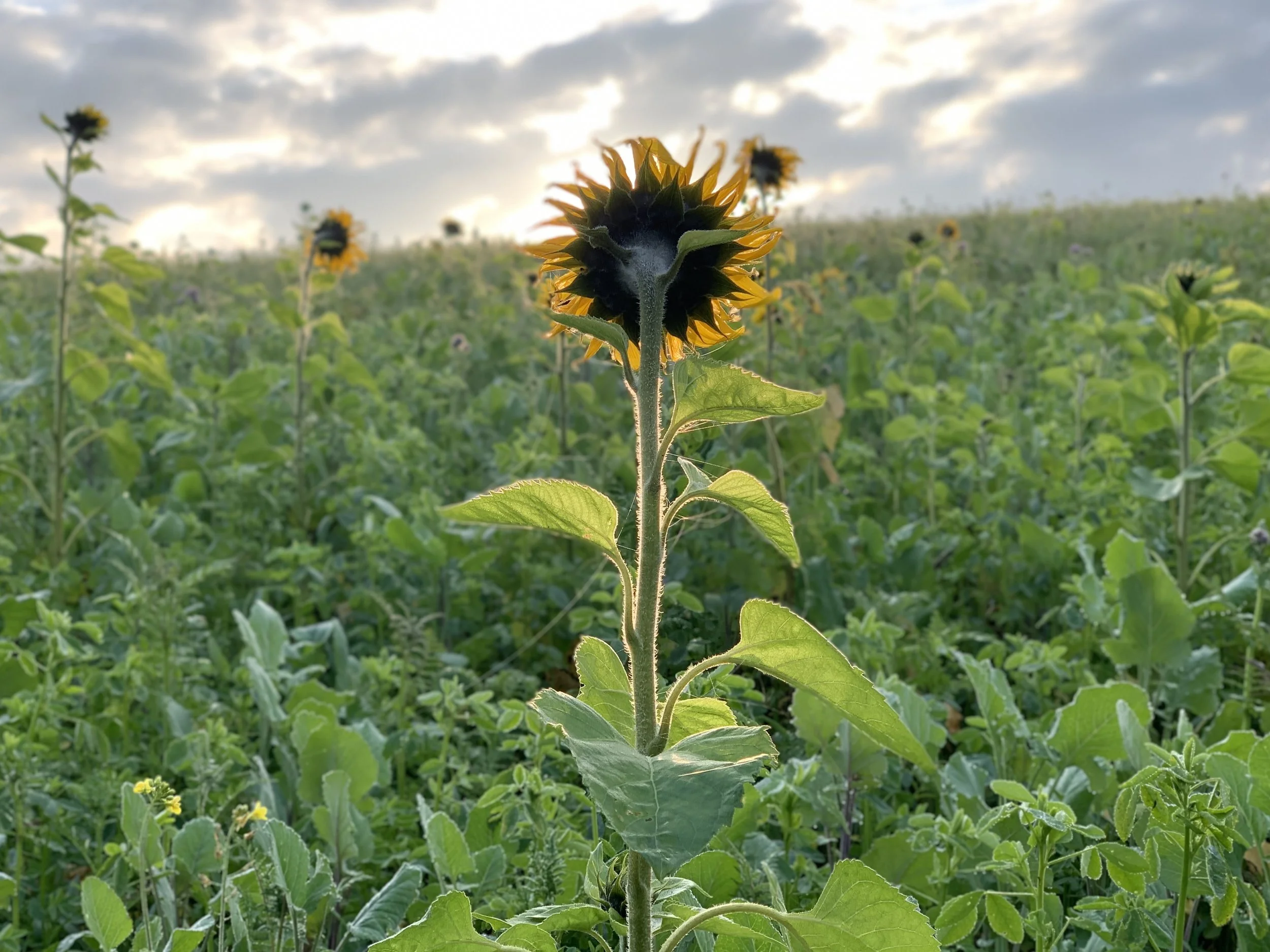
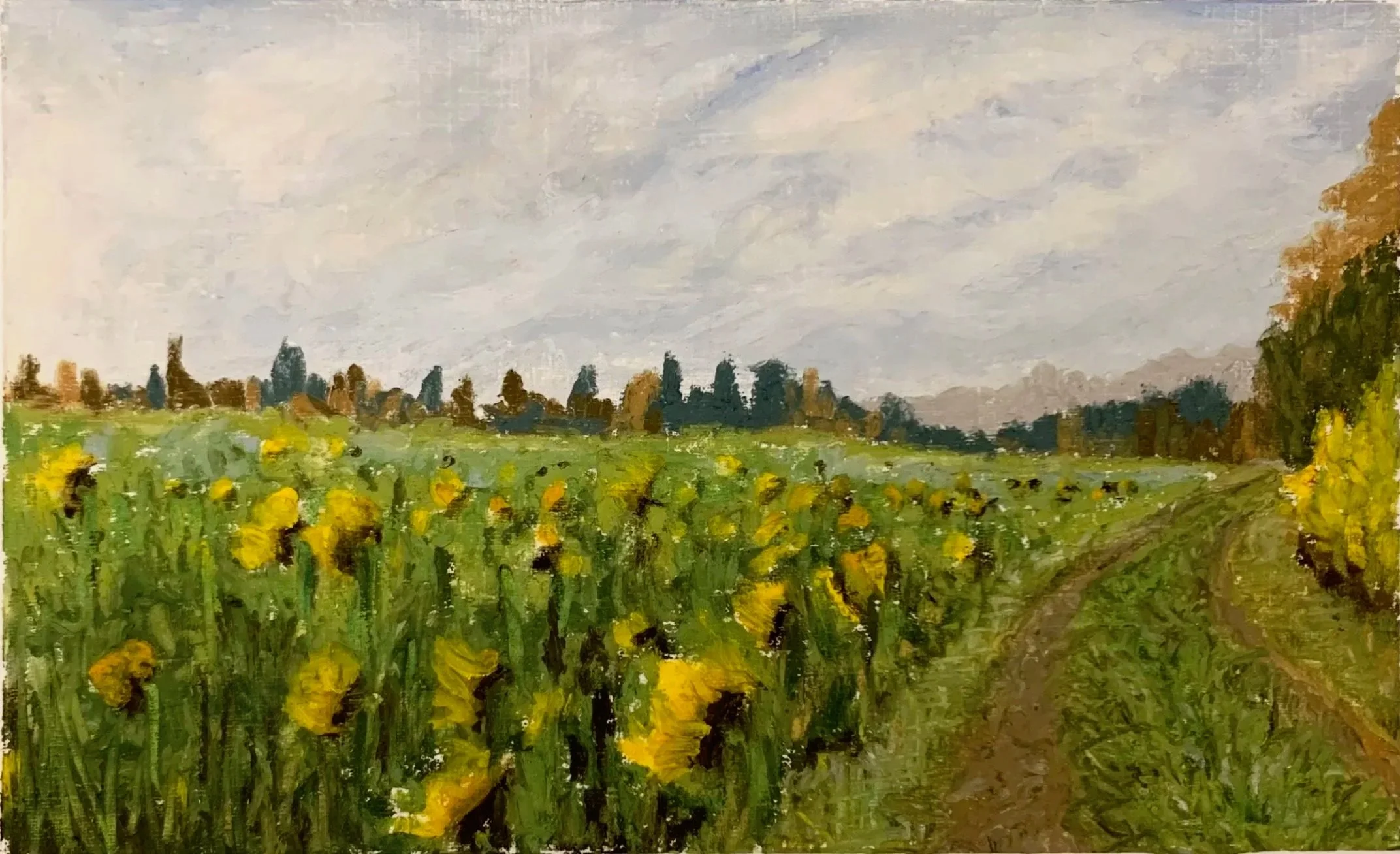
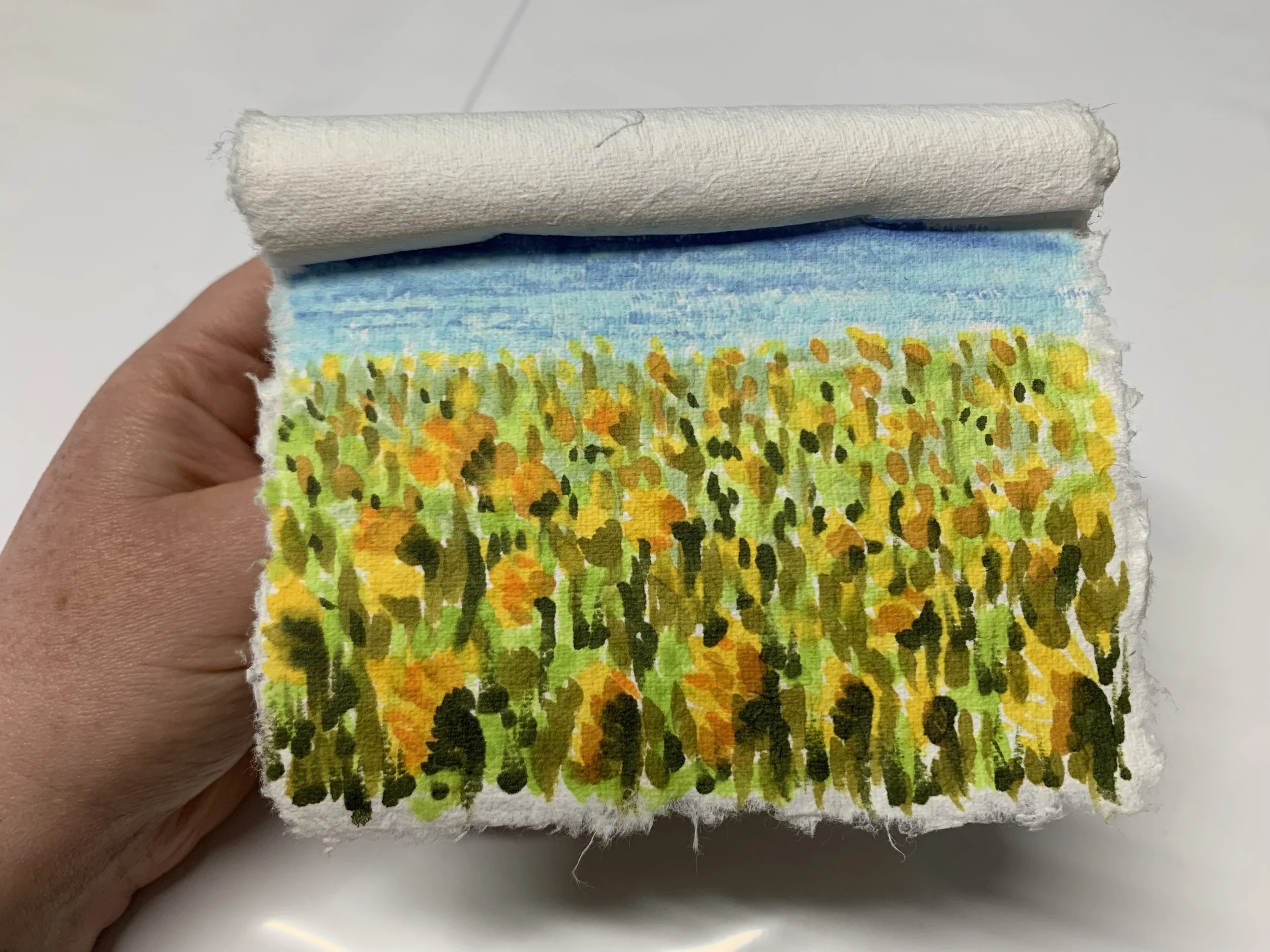
Les Tournesols d’Orquevaux
Oil pastel on oil paper
14.8cm x 21cm
Artist statement:
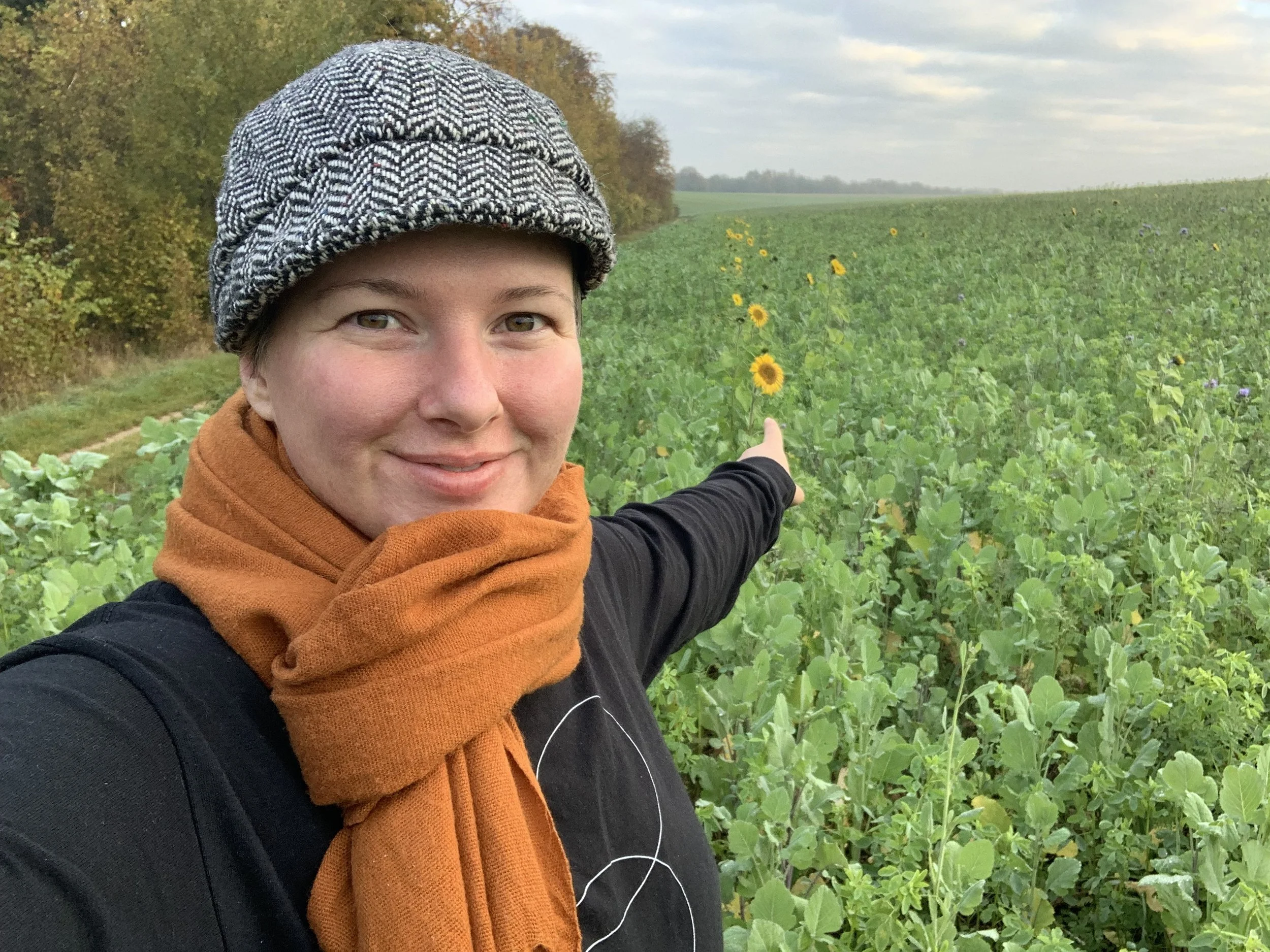
During my art residency at Chateau d’Orquevaux, I completed 4 special oil pastel landscapes. This was the first. This particular scene is very special to me as it filled me with hope. I had just received some bad news of yet another loss that comes from managing an invisible disability. Uncertain of what the future held with tears streaming down my face, a voice within told me to go for a walk.
I followed its gentle encouragement up a hill overlooking the village but still the voice told me to climb some more. As I came around a bend, a patch of sunflowers appeared and as I got closer, a field appeared and as I reached the very top, a field became fields and stretched as far as the eye could see. What was a difficult morning of loss became one of abundance, joy, hope and momentary peace.
A week before arriving at this field, I had learnt that the international sign for invisible disabilities was the sunflower. I had no idea how important this flower would become in my life and in my practice. My advocacy work on invisible disabilities now has a new colour palette and each time I work on spreading awareness and the power of kindness, I’m immediately transported back to this field where I’m reminded that not all is lost, it’s just the beginning of a bright new chapter.
This piece was selected by Chateau d’Orquevaux as part of their permanent collection and was exhibited at the Galerie Diderot in Orquevaux, France.
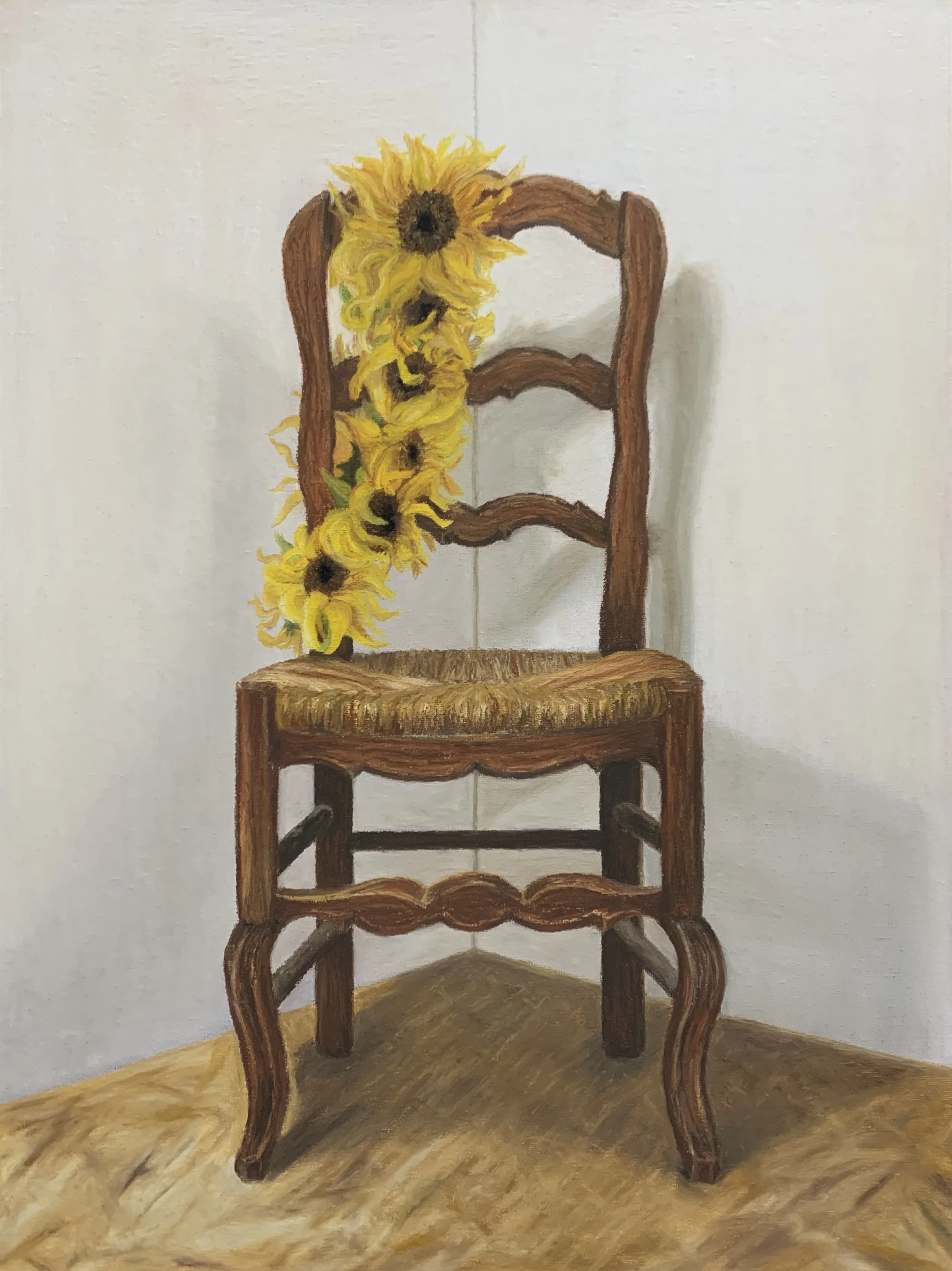
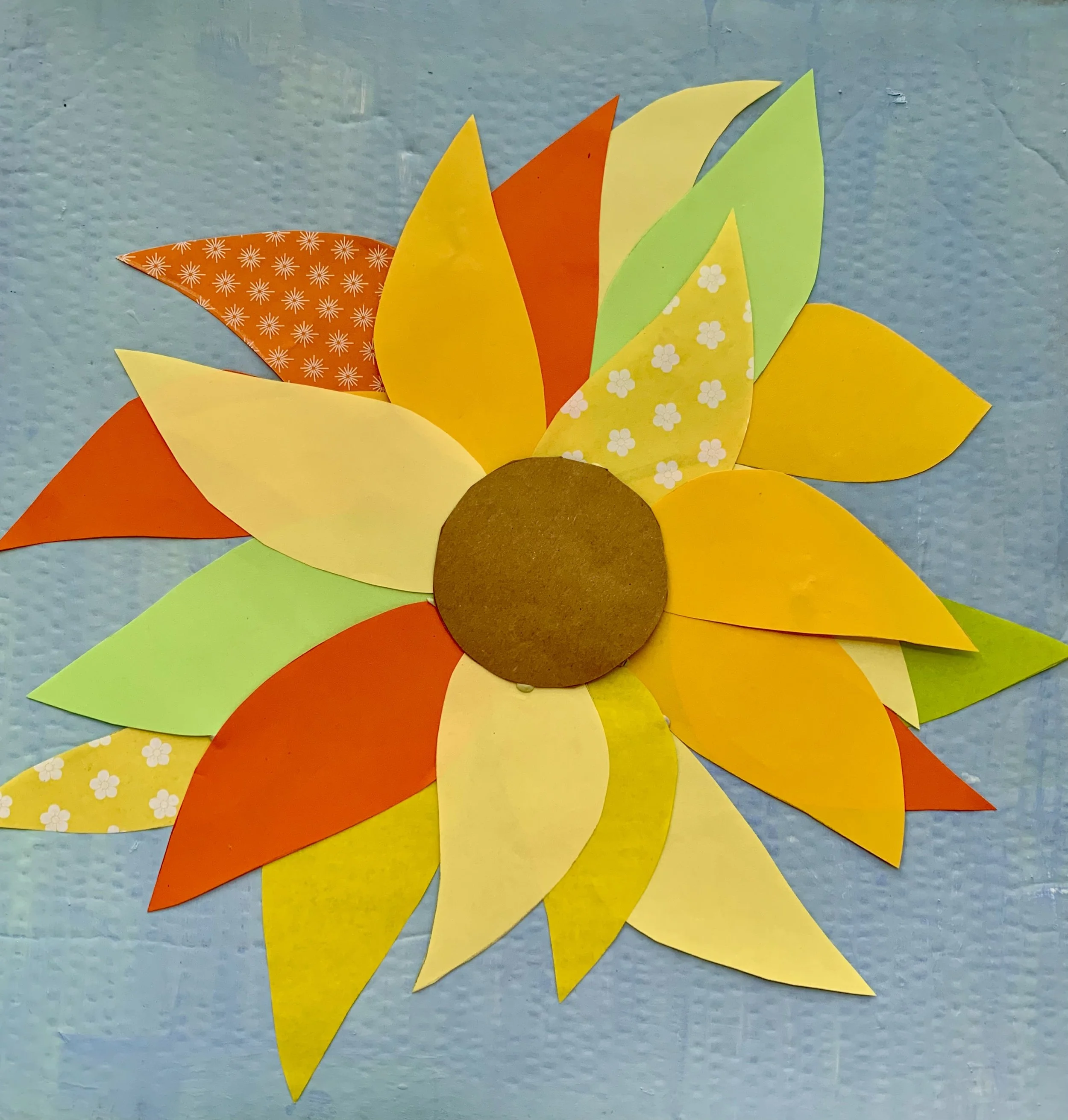
Making the Invisible Visible
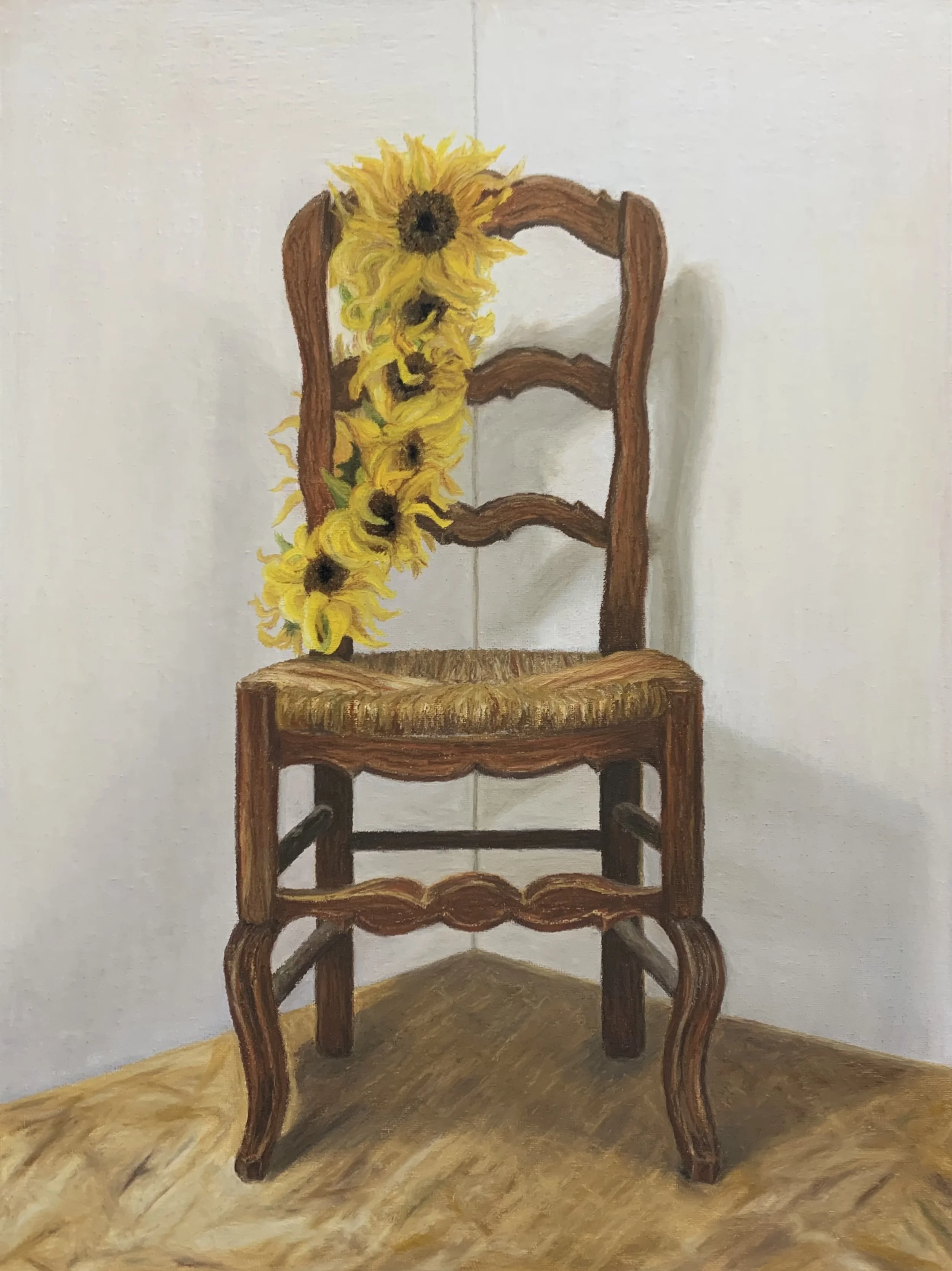
Oil pastel on canvas
61cm x 46cm x 3cm
Artist statement:
This artwork seeks to shine a light on what the viewer cannot see in a hope to make the invisible, visible. The sunflower, which has been depicted throughout history by many artists, is also the international sign for invisible disability. The layers of symbolism in this painting assist with raising awareness for those that live with and manage an invisible disability. As the light shines brighter on invisible disability, we need to work together to change a reaction of disbelief and dismissal to one of curiosity and compassion. My hope is this still life painting will help those like me feel seen.
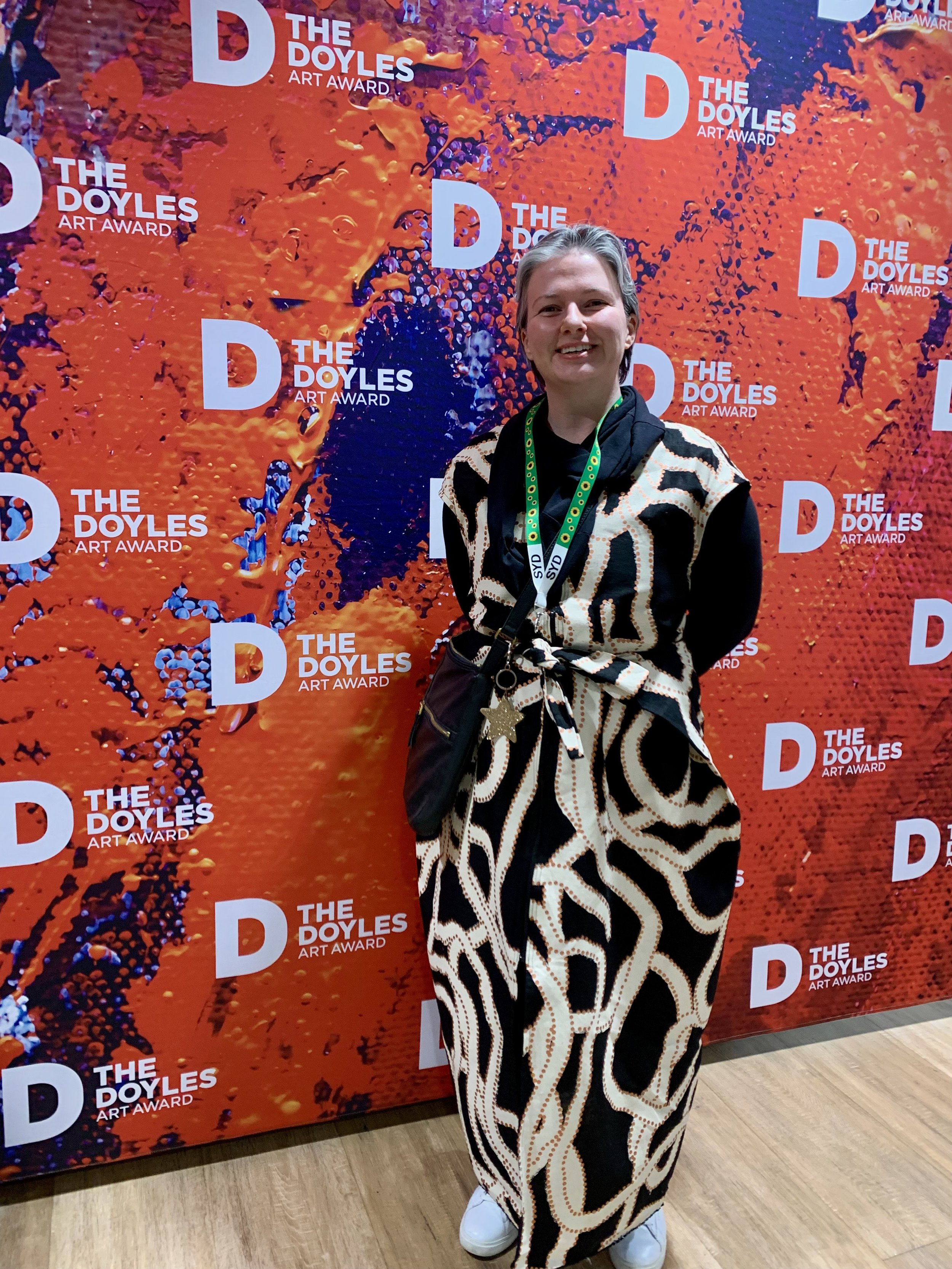
Picture taken by Doyles staff at Opening Night

Picture taken by Fiona Cotton
This artwork was then selected as a finalist in the 2025 Doyles Art Award in the Still Life category. During the exhibition in Queensland, Australia, I stayed on as a volunteer to chat to as many people as I could and raise awareness. I even shared a little video talking about the symbolism in the artwork that you can check out here.
It was a real pleasure to have this opportunity to personally engage with so many people who were open to learning and to help those like me who didn’t know about the sunflower. A big thank you to the Doyles team for sharing my artwork and for supporting my advocacy efforts.
Hidden in Plain Sight
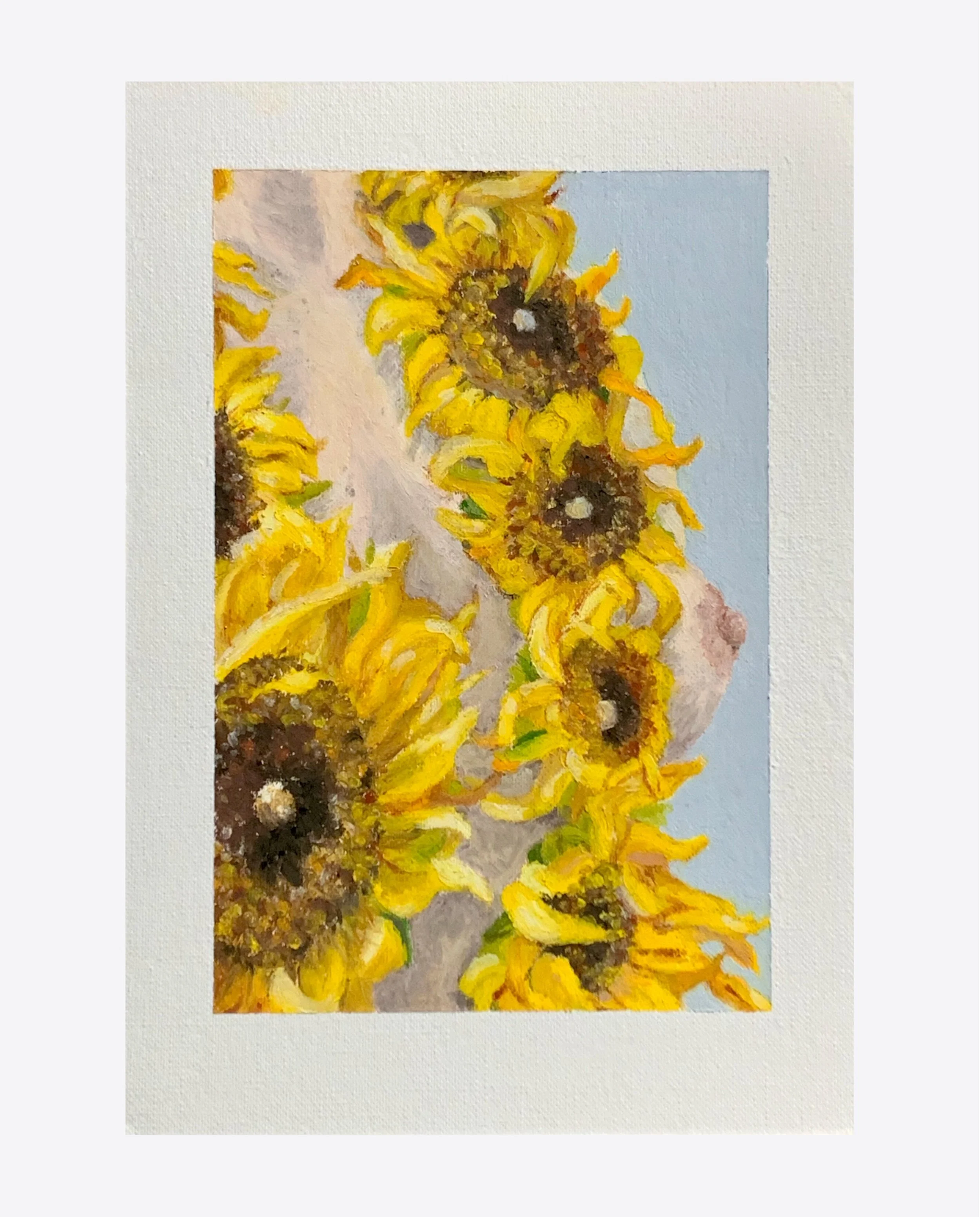
Oil pastel on oil paper
21cm x 14.8cm
Artist statement:
This piece explores the social issues surrounding hidden disabilities represented by the sunflowers and gender equality for women represented by the landscape of the female nude. As a person that has experienced both of these social barriers in being “seen”, my hope is that this painting will help promote equality and inclusion for everyone.
Hear no evil. See no evil. Speak no evil
Triptych
Digital Photography
Artist statement:
This piece is to raise awareness of the daily discrimination and verbal abuse people with invisible disabilities face when in public. In discussions among people with disability, I often would hear those with a visible disability tell me that they wish they looked “normal” so they could be treated like anyone else and those with an the invisible disability wish they had something visible so they would be believed.
Upon wearing my sunflower lanyard for the first time, I was excited to finally have something that was visible for others to understand only to then experience abusive language towards me when I had to use the disability aid during a flare up. I was heartbroken. I thought the years of discrimination and verbal abuse were finally over. My hope with this artwork is to inspire curiosity and kindness when someone who looks “normal” uses a disability aid. Words matter - especially on those hard days and being met with kindness rather than hatred makes a world of difference.
“How do you balance both being an artist and an advocate? For multi-disciplinary award-winning artist Melissa Hammond, it’s not about finding a balance, it’s about embracing the power of using them together.”
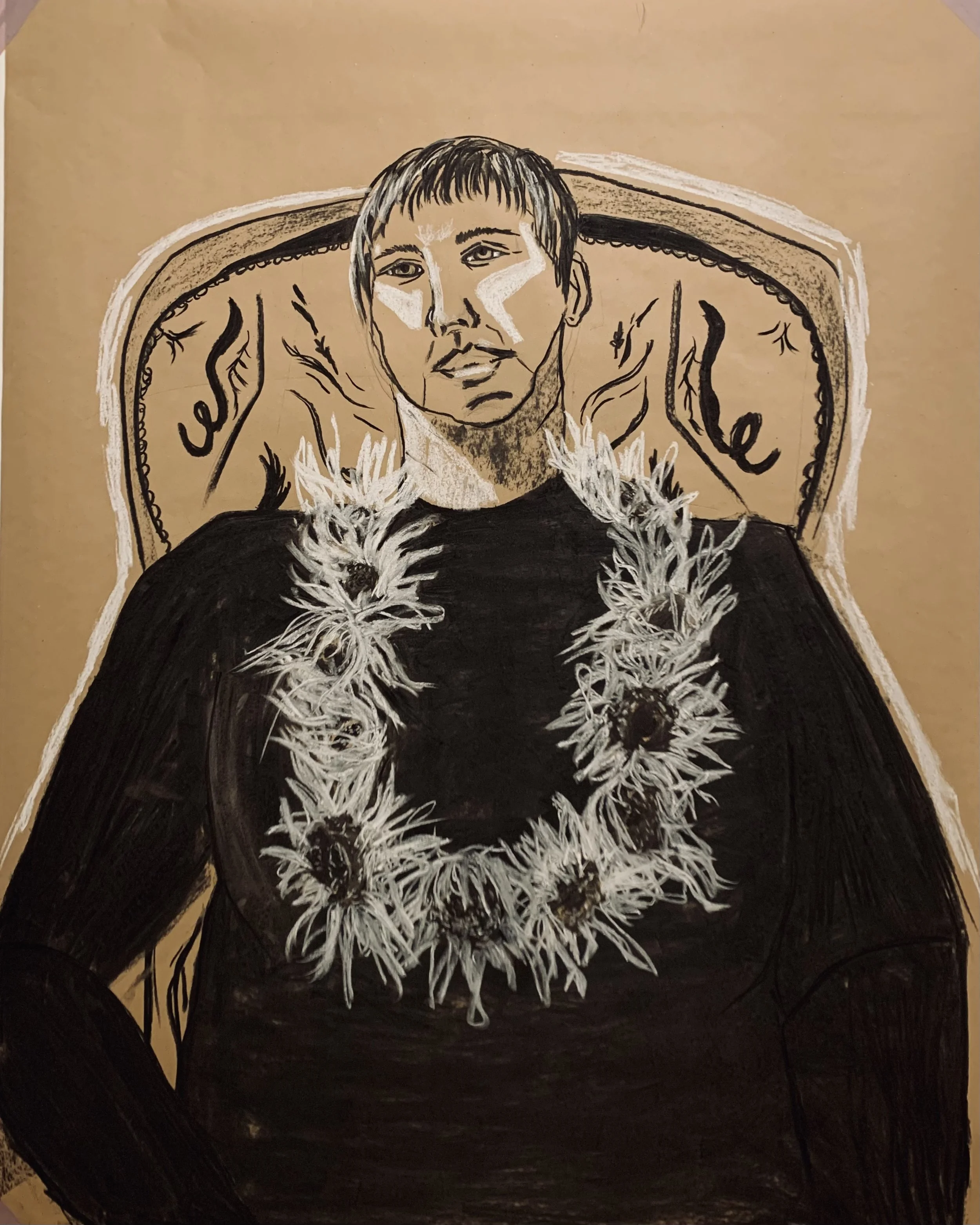
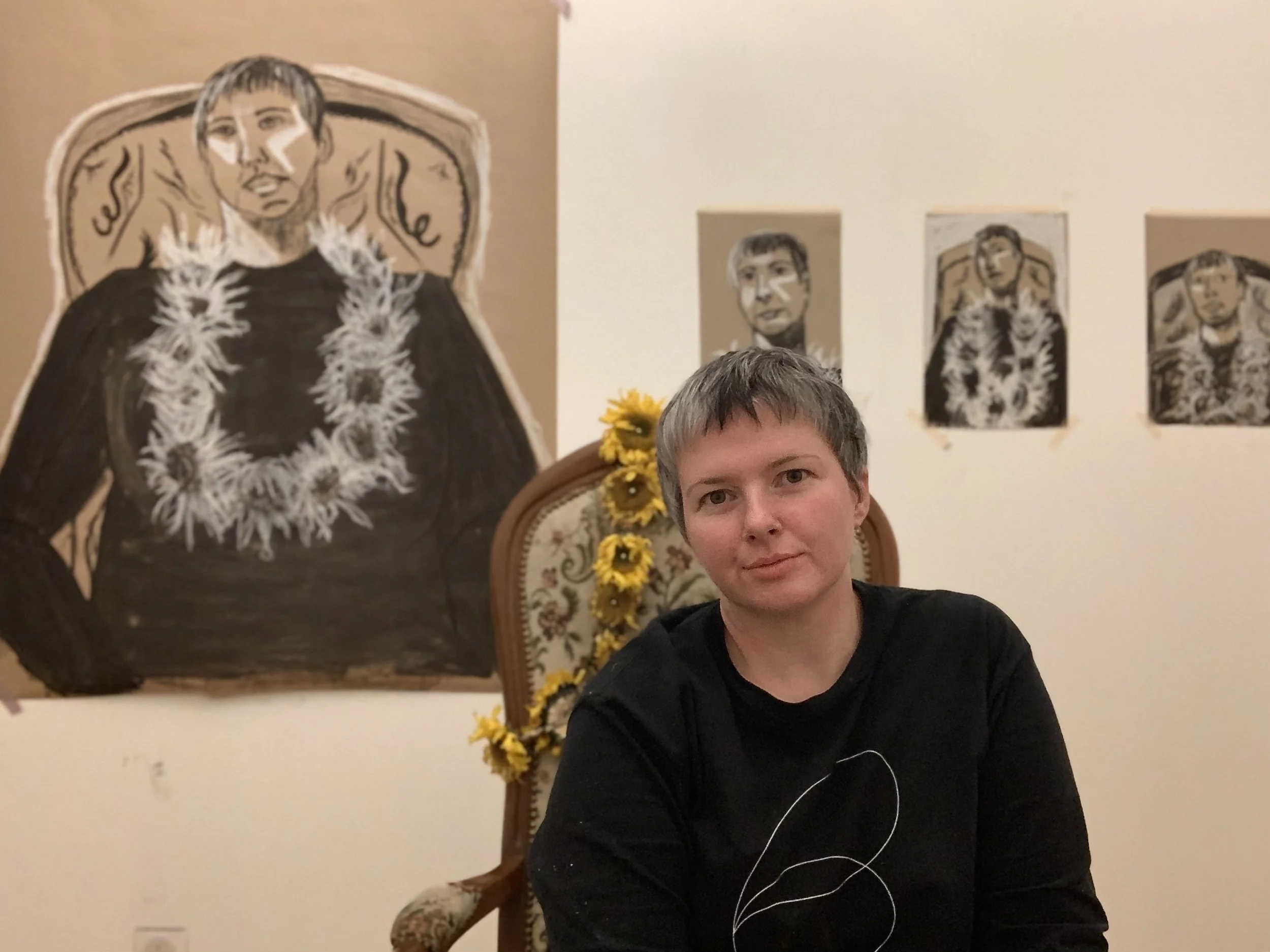
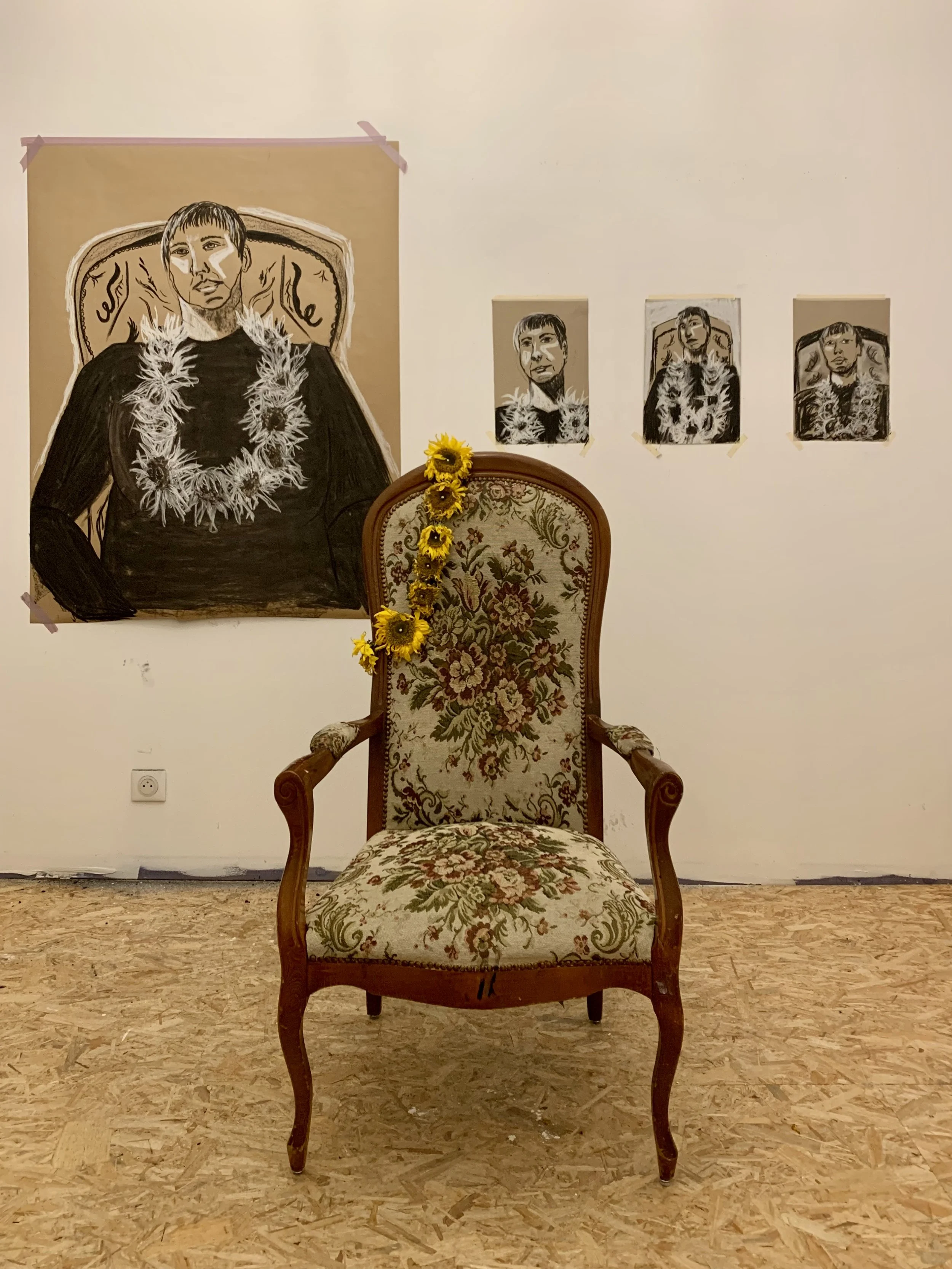
Self portrait - Chateau d’Orquevaux
Charcoal on Kraft paper
90cm x 75 cm and 29.7cm x 21cm (3)
Artist statement:
Being an art resident at Chateau d’Orquevaux in France and having my own studio for the first time was an absolute dream come true. I had plans of finally exploring larger body of works and this expression of me came out in a flash. I was open to any content but the recent events of being verbally assaulted for my invisible disability and the threat of losing my job and financial security yet again carried a large burden. I felt the weight of the world on me slowing me down at a time when my dreams were coming true. The irony was not lost on me.
The heavy black resembles the exhaustion of constantly carrying such burdens and the weight of the decisions in front of me. The sunflower lanyard represents the very new symbol in my life that carried hope but was yet understood to help and the lightning bolt on the cheek must have been the fighter in me encouraging me not to give up on advocating for myself and the invisible disability community. It was a cathartic release in the letting go that held a mirror and a message for me at the end.
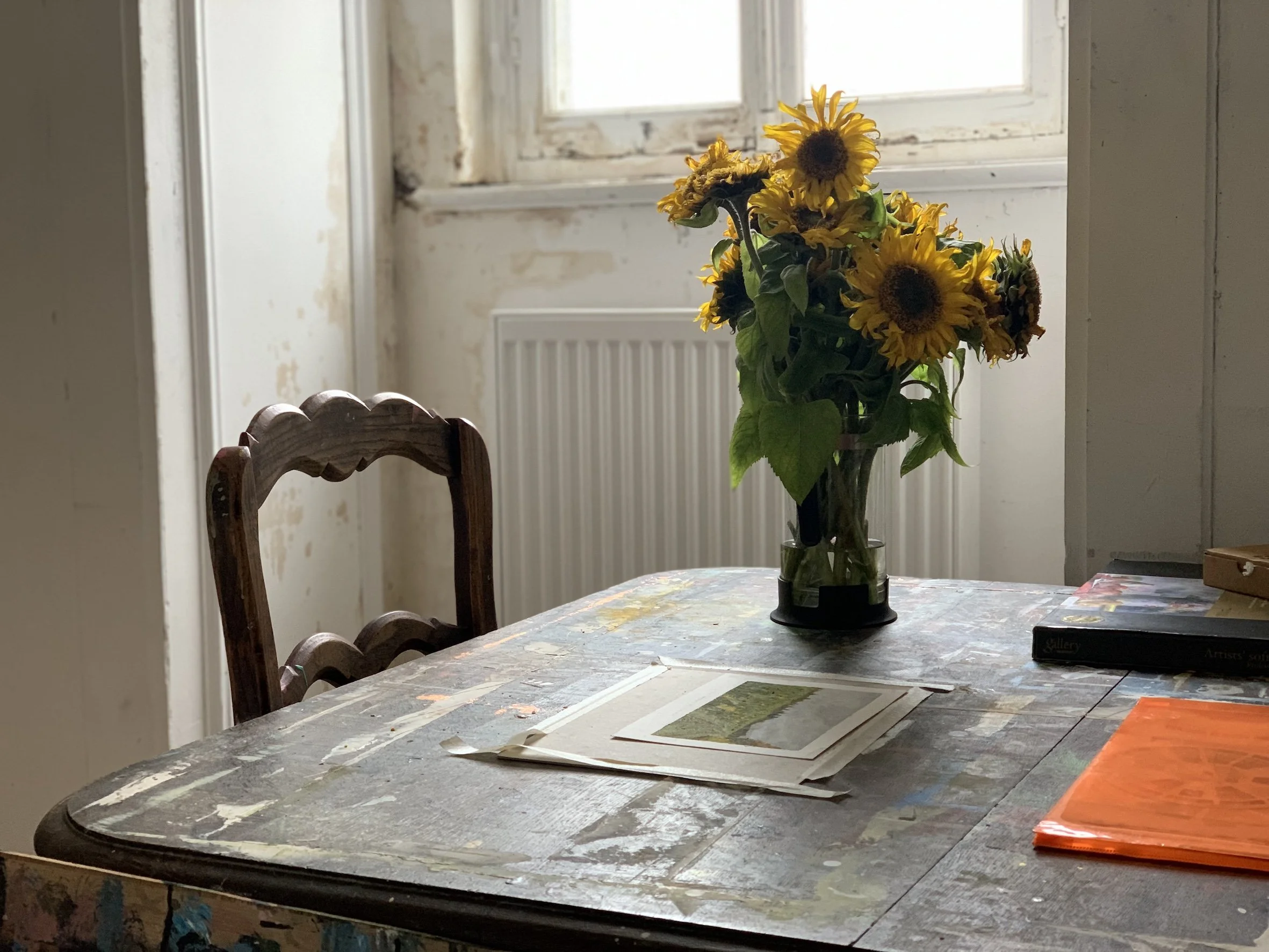
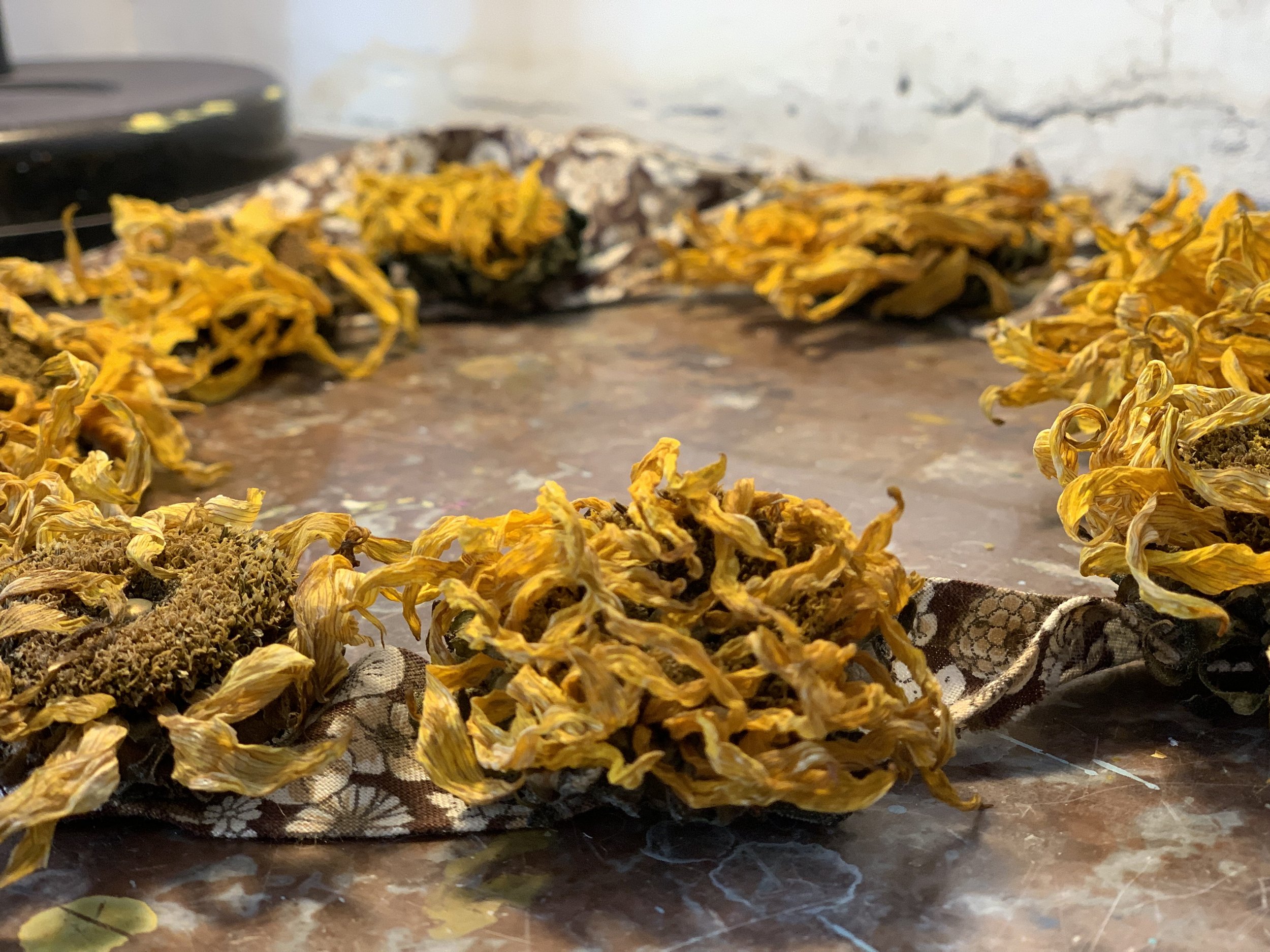
Having a studio for the first time allowed me to explore this piece and its emotion further. During my Open Studio, I had installed the chair from the drawing in front of the artworks with the wilting and dying sunflower lanyard draped over it. The invitation was hanging silently in the room to take a seat and feel the silent and invisible burdens that people in my community carry. In igniting this empathy and awareness, its intention was to also invite kindness to everyone as we all carry silent and invisible burdens that can weigh us down.
Below: Open Studio - Chateau d’Orquevaux, France - November 2024